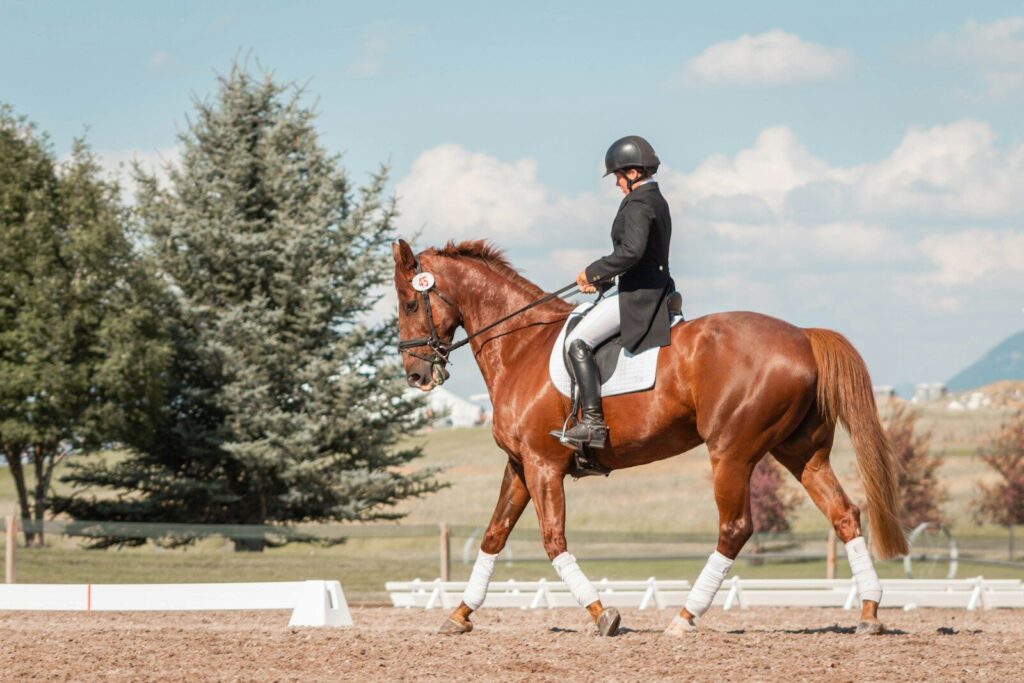
Optimal Nutrition Strategies for Feeding the High-Performance Athletic Horse
Feeding the high-performance athletic horse requires a deep understanding of their nutritional needs tailored to support their demanding lifestyle. Whether they are racing, jumping, or competing in endurance events, these horses need a diet that fuels their energy, maintains their health, and enhances their performance. Below are optimal nutrition strategies to consider for these elite animals.
Energy Requirements
High-performance horses have significantly higher energy needs compared to regular riding horses. To ensure they have enough energy, you should:
- Provide high-quality forage to serve as the backbone of their diet, such as grass or alfalfa hay.
- Incorporate grains like oats or barley, which provide additional calories needed for intense physical activity.
- Consider adding fat sources like vegetable oils or rice bran for a concentrated energy source that won’t bulk up their diet.
Protein for Muscle Development
Proteins play a crucial role in building and repairing muscle. Athletic horses often require more protein compared to their non-athletic counterparts. Here is how to ensure they get enough:
Unlock Your Free Equine Care Toolkit
Take the guesswork out of feeding and weight management.
- Choose high-quality protein sources, such as soybean meal or alfalfa, which supply essential amino acids.
- Aim for a protein intake of around 12-14%, depending on the horse’s workload and age.
- Monitor their body condition to adjust protein levels annually or biannually, catering to changes in their training regimen.
Essential Vitamins and Minerals
A balanced intake of vitamins and minerals is vital for maintaining your horse’s overall health and performance. Key elements to include in their diet are:
- Calcium and phosphorus for strong bones and teeth.
- Electrolytes to replace those lost during sweat, crucial for maintaining hydration and muscle function.
- Antioxidants like vitamin E and selenium to help combat oxidative stress caused by strenuous exercise.
Water Intake
Water is often overlooked but is one of the most critical components of a horse’s diet. Maintaining proper hydration is essential for optimal performance. Keep these points in mind:
- Ensure fresh and clean water is always available, as horses can drink between 5 to 10 gallons a day depending on their workload.
- Provide water at a suitable temperature; cold water may deter some horses from drinking, especially after intense workouts.
Feeding Schedule
A consistent feeding schedule can help maintain your horse’s digestive health and performance. Here are some tips for effective timing:
- Feed at regular intervals, ideally three to four times a day to prevent digestive disturbances.
- Allow at least one hour after feeding before exercising, which aids in proper digestion.
- Monitor their reaction to the feeding schedule, adjusting as necessary to ensure they remain comfortable and energized.
Special Considerations for High-Performance Horses
Every horse is unique, and their nutritional strategies should be tailored to their specific needs. Keep in mind these additional considerations:
- Work with a veterinarian or equine nutritionist for personalized dietary recommendations tailored to your horse’s specific activity level and health status.
- Evaluate the horse’s individual body condition score regularly to ensure they are gaining or losing weight appropriately.
- Watch for any signs of discomfort or changes in behavior, which may indicate dietary issues or health concerns.
By implementing these optimal nutrition strategies, you can ensure that your high-performance athletic horse receives the nourishment needed to excel. A well-balanced diet not only promotes peak performance but also supports long-term health and wellbeing, allowing your horse to confidently tackle the challenges of competition and training.
Balancing Energy and Recovery Needs in Equine Diets
The dietary needs of equine athletes are unique and complex. To support performance, you must carefully balance energy intake with recovery requirements. This balance ensures that the horse not only performs at its best but also recovers effectively after exertion. Understanding these needs is vital for horse owners and trainers aiming for sustainable performance and overall health.
When considering energy, it’s important to realize that not all horses require the same amount. Energy needs can vary based on factors like age, breed, training intensity, and overall health. Typically, high-performance horses have increased energy demands due to their rigorous training schedules and competitive events. The key is to provide sufficient energy without risking overeating or weight gain, which can lead to other health issues.
There are a few primary sources of energy in horse diets:
Unlock Your Free Equine Care Toolkit
Take the guesswork out of feeding and weight management.
- Concentrates: These include grains and commercial feeds high in carbohydrates and fats, offering quick energy sources for high-performance horses.
- Forage: Quality hay or pasture provides essential fibers that aid digestion and contribute to energy levels over time.
- Supplements: High-performance horses may also benefit from additional fats, like vegetable oils, to boost energy density without increasing feed volume.
Understanding how energy feeds into a horse’s diet can help you tailor rations to maintain their health and performance. Additionally, timing your horse’s meals around training schedules can have a significant impact on energy levels. Ensure that your horse has a meal 4 to 6 hours before major workouts to optimize energy availability.
Equally crucial is the recovery phase that follows intense physical activity. After hard work, a horse’s muscles need proper nutrients to repair and recover. For recovery, you must consider:
- Protein: Essential for muscle repair and recovery, quality sources like alfalfa or commercial protein supplements should be included in the diet.
- Electrolytes: After sweating, replenishing electrolytes is vital. Sources like electrolyte powders or salt blocks help restore what’s lost during intense workouts.
- Antioxidants: Including foods rich in antioxidants, such as blueberries or specific supplements, can reduce oxidative stress on the muscles.
These recovery components can play a crucial role in how well your horse performs in future training sessions or competitions. The balance of energy and recovery components should not be seen as isolated factors but rather as interconnected elements that influence a horse’s overall vigor and health.
Hydration also plays an essential role. Ensure your horse has access to fresh, clean water at all times. Dehydration can significantly impact both energy levels and recovery. Consider using electrolyte solutions mixed with their water following intense training sessions to promote optimal hydration.
Monitoring your horse’s condition frequently is crucial. Watching for any changes in weight, energy levels, and overall demeanor can signal whether your current diet meets their needs. Adjustments may be necessary based on their workload, recovery time after competitions, or any signs of fatigue and distress.
Consulting with a veterinarian or an equine nutritionist can provide tailored dietary recommendations. They can help in developing a balanced plan that aligns with your horse’s specific training goals, ensuring that they receive optimal support for both energy output and recovery processes.
You play a vital role in this balancing act. By understanding the unique dietary needs of high-performance horses, you can create a feeding strategy that supports not only their athletic performance but also their long-term health. Striking the right balance between energy intake and recovery needs ensures that your equine partner stays in peak condition and ready to tackle any challenge on the horizon.
The Role of Supplements in Enhancing Athletic Performance
In the world of high-performance athletic endeavors, maximizing physical capabilities is of paramount importance. Supplements have emerged as a critical component in enhancing athletic performance, offering athletes the extra edge they need to improve their training and competitive results. Understanding the role of these supplements can significantly benefit both equine and human athletes.
For athletes, especially those involved in rigorous physical activities, maintaining optimal nutrition is crucial. Supplements can fill nutritional gaps that may arise due to insufficient dietary intake, helping to ensure that the body receives essential vitamins and minerals. They play a significant role in supporting recovery, boosting energy, and improving overall performance during training and competitions.
Unlock Your Free Equine Care Toolkit
Take the guesswork out of feeding and weight management.
Some of the most popular categories of supplements include:
- Protein Supplements: These are vital for muscle repair and growth. Athletes often consume protein in the form of powders or bars to ensure they meet their protein needs after workouts.
- Amino Acids: Essential amino acids, particularly branched-chain amino acids (BCAAs), are known to reduce muscle soreness and speed up recovery times.
- Electrolytes: Replenishing electrolytes is crucial for athletes engaging in prolonged physical activity, as they help maintain fluid balance and muscle function.
- Vitamins and Minerals: Vitamin D, Calcium, Magnesium, and B vitamins are specifically important for energy production and bone health, vital in preventing injuries.
- Caffeine: A well-known performance enhancer that can increase energy levels and improve focus during training sessions and competitive events.
While supplements are beneficial, it is vital to consider their safe usage. Athletes should consult healthcare professionals, such as nutritionists or sports medicine experts, before incorporating supplements into their regimen. This ensures that they choose products that align with their specific performance goals and individual health needs.
One of the primary benefits of supplements is their role in enhancing recovery. After intense training, the body undergoes stress, leading to muscle fatigue and soreness. Supplements like protein and amino acids aid in repairing muscle tissues. They can also help reduce recovery time, allowing athletes to train harder and more frequently, thus boosting overall performance.
Moreover, supplements can help improve focus and energy during workouts. Ingredients like caffeine and certain herbal extracts can enhance mental clarity and physical stamina. This can be especially helpful during competitions or long training sessions where mental fatigue can hinder performance.
It is essential to note that not all supplements are created equal. Quality varies significantly among products, and some may contain substances prohibited in certain sports. Choosing reputable brands that have undergone third-party testing for purity and effectiveness can ensure athletes get what they pay for. Researching product labels and ingredients is critical to avoid harmful additives that could potentially harm performance or health.
In addition to individual performance, supplements can play a supportive role in team dynamics as well. When athletes feel their best, they can contribute better to their teams. This improvement stems from enhanced physical capabilities and improved morale, strengthening the squad’s overall competitive edge.
It’s also intriguing to consider how supplements can aid in long-term athletic longevity. As athletes age, maintaining muscle mass and bone health becomes increasingly critical. Supplements like Omega-3 fatty acids, Vitamin D, and calcium can help combat age-related decline in athletic performance, allowing seasoned athletes to continue participating in their sports.
Ultimately, the role of supplements in enhancing athletic performance cannot be underestimated. They offer a practical solution for athletes looking to boost their training outcomes, recover faster, and sustain long-term performance enhancements. By focusing on personalized supplementation strategies and adhering to safe practices, you can unlock your full potential in your athletic pursuits.
Understanding Equine Digestive Health for Peak Performance
Understanding equine digestive health is essential when it comes to ensuring high performance in athletic horses. Your horse’s digestive system is complex, and maintaining its health can significantly affect overall performance, mood, and recovery. That’s why it’s crucial to discuss the components involved in promoting optimal digestive well-being for your equine athlete.
The digestive tract of a horse is designed for a high-fiber diet, mainly consisting of grasses and hays. Horses have a unique way of processing food, and knowing how this system works can help you make informed feeding choices for peak performance. Let’s explore some key aspects of equine digestive health and how they relate to athletic performance.
Basic Anatomy of a Horse’s Digestive System
To appreciate the importance of digestive health, it’s helpful to understand the anatomy. The horse’s digestive system comprises:
- Mouth: Begins the process of digestion by chewing and mixing food with saliva.
- Esophagus: Transports food to the stomach.
- Stomach: A small part of the system that begins breaking down food.
- Small Intestine: Where the majority of nutrient absorption occurs.
- Large Intestine: Important for water absorption and fermentation of fiber.
- Cecum: A fermentation vat that breaks down fiber, allowing absorption of nutrients.
Understanding these components can help you appreciate how diet impacts performance. A high-performance horse relies on efficient digestion to gain energy and nutrients from feed, making digestive health paramount.
Importance of Fiber in the Diet
Fiber is essential for proper digestive health in horses. A high-fiber diet promotes gut motility and maintains a healthy gut microbiome. Here are key reasons why fiber matters:
- Supports Gut Health: Fiber helps maintain the balance of beneficial bacteria and keeps the digestive tract functioning smoothly.
- Prevents Colic: Adequate fiber reduces the risk of colic, a painful condition resulting from digestive issues.
- Regulates Blood Sugar: Fiber helps manage glucose levels, which is crucial for sustaining energy during performance.
When selecting feeds, opt for high-quality hay or forage that is rich in fiber to support your horse’s digestive health.
Choosing the Right Feed
When it comes to feeding your athletic horse, not all feeds are created equal. Look for those formulated for performance horses, often higher in calories, protein, and essential vitamins and minerals. Here’s what to consider:
- Energy Sources: Choose feeds that include easily digestible grains like oats and corn, alongside high-fiber options.
- Protein Content: Ensure the feed has a sufficient protein level to support muscle repair and development.
- Supplements: Consider probiotics or prebiotics to enhance gut health, especially during stressful periods like competition.
Monitoring Your Horse’s Digestive Health
It’s important to keep an eye on your horse’s digestive health. Regularly check for signs of discomfort or changes in appetite. Changes may indicate digestive issues. Additionally, ensure your horse has access to clean, fresh water at all times, as hydration plays a key role in digestion and overall health.
Routine veterinary checks can help detect issues early on, so adhere to a regular schedule for health assessments. Working closely with a vet or equine nutritionist can also provide tailored dietary advice suited to your horse’s specific needs and demands.
The Role of Feeding Schedule
A consistent feeding schedule helps establish a routine for your horse, which can be beneficial for digestive health. Consider the following:
- Frequent Small Meals: Feeding small amounts several times a day mimics the natural grazing behavior of horses.
- Post-Workout Feeding: Allow time for digestion before and after workouts to provide the nutrition needed for recovery.
These strategies into your feeding regimen can support your horse’s digestive health and enhance performance outcomes.
Keeping your athletic horse’s digestive system in top condition is essential for peak performance. By prioritizing a balanced diet rich in fiber, selecting appropriate feeds, and monitoring digestive health, you’ll be helping your horse reach their full athletic potential. Remember to work closely with professionals to create an effective feeding strategy tailored to your horse’s specific needs.
Evaluating Feeding Schedules for Competitive Horses
When you have a competitive horse, ensuring they are on the right feeding schedule is crucial. A well-planned feeding strategy not only optimizes health but also enhances performance. Understanding how often and what to feed your horse can significantly impact their training and competition outcomes.
Importance of Feeding Schedule
A structured feeding schedule provides numerous benefits for high-performance athletic horses. Regularity helps in maintaining their digestive health and ensures consistent energy levels. Horses are creatures of habit, so feeding them at the same time every day can improve their overall demeanor and performance. This is especially important before events where nerves might otherwise affect their appetite.
Types of Feeds
Feeding competitive horses requires a thoughtful approach to the types of feeds selected. It is critical to choose the right combination of forage, grains, and supplements.
- Forage: High-quality hay or pasture is essential as it provides fiber and promotes gut health.
- Concentrates: Grains like oats or commercial feeds usually give the extra energy competitive horses need. They should be introduced gradually to avoid digestive upset.
- Supplements: Depending on the horse’s requirements, probiotics, electrolytes, and vitamins can aid performance and recovery.
Feeding Frequency
The frequency of feeding is as important as the type of feed. For competitive horses, it’s often beneficial to feed them smaller, more frequent meals rather than one or two large ones. Here are some recommended feeding intervals:
- Forage: Should be available ad libitum to ensure the horse is constantly digesting and maintaining energy levels.
- Concentrates: Ideally, these should be offered 2 to 3 times a day. Splitting the grain intake helps the horse digest better and absorb nutrients efficiently.
- Pre-Competition Feeding: It’s recommended to offer a lighter meal about 3 to 4 hours before an event. This allows them to have sufficient energy without feeling heavy.
Monitoring Weight and Condition
Regularly monitoring the horse’s weight and body condition helps in refining the feeding schedule. Competitive horses have specific body composition needs. You can use a body condition score (BCS) system to assess their condition. Aim for a score between 5 and 7, as this range signifies a healthy balance that supports athletic performance. Adjust their feeding schedule based on these assessments, ensuring they neither gain too much nor lose essential muscle mass.
Hydration Matters
Hydration is just as vital as nutrition. Make sure your horse has constant access to clean water. Dehydration can severely affect performance and recovery. Additionally, consider offering electrolyte solutions before and after competition to replenish lost minerals. This will help keep your horse energized and responsive during training and competitions.
Special Considerations
Each horse is unique, and their nutritional needs may vary. Factors such as age, breed, workload, and health status can influence what and how much you should feed. Pay attention to any changes in behavior or performance that might suggest dietary adjustments are necessary. Consulting with a veterinarian or an equine nutritionist can provide insightful guidance tailored to your horse’s specific needs.
Adjusting for Events
As you prepare for competitions, your horse’s feeding schedule might require adjustments. A few days leading up to the event, you may want to increase the concentrate feed slightly to boost energy levels. After competing, ensure they receive a balanced meal along with plenty of water for recovery. Maintain a flexible attitude toward their diet; this adaptability can help your horse perform at their best.
Evaluating and refining the feeding schedule for competitive horses is essential for impacting their performance and overall well-being. By focusing on regularity, appropriate feed types, frequency, hydration, and individual needs, you can help your horse reach their athletic potential.
Conclusion
Feeding the high-performance athletic horse requires a thoughtful approach that prioritizes optimal nutrition. Implementing effective nutrition strategies is vital for meeting the energy demands of competitive horses while ensuring proper recovery. Balancing energy intake with the nutritional needs of your horse not only fuels their daily activities but also aids in muscle recovery, keeping them at peak performance.
Supplements can play a significant role in enhancing athletic capabilities, providing essential nutrients that may be lacking in a regular diet. Selecting the right supplements tailored to your horse’s specific needs can further boost their overall health, endurance, and recovery. Alongside this, understanding equine digestive health is crucial, as a healthy gut maximizes nutrient absorption, which is fundamental for high-performance animals.
Moreover, evaluating feeding schedules enables you to create a routine that aligns with your horse’s training regimen and competition timeline. Adjustments in feeding times and amounts can significantly impact energy levels and performance on competition day.
By focusing on these essential aspects of equine nutrition, you can set your high-performance athletic horse on a path to success. Prioritizing their nutritional needs not only contributes to their competitive edge but also promotes their long-term health and well-being. Ensuring your horse receives optimal nutrition is a commitment that yields benefits in the arena and beyond. By adopting these strategies, you foster an environment where your athletic horse can thrive, excelling at their best while maintaining wellness and vitality throughout their career.