Exploring the Best Free Resources for Equestrian Beginners
Starting your journey in the equestrian world can be exciting yet overwhelming. As a beginner, you want to learn the right skills while finding resources that won’t cost you a fortune. Fortunately, there are plenty of free resources available that provide excellent guidance for aspiring equestrians. This article will delve into some of the best options out there for you.
Online Learning Platforms
The internet is a treasure trove of free courses and materials. Here are a few recommendations:
- Coursera: Offers free introductory courses in equestrian management and riding basics from renowned universities.
- edX: Similar to Coursera, you can find free courses that delve into horse care, training techniques, and more.
- Youtube Channels: There are numerous channels dedicated to equestrian training. Some popular ones include “Clinton Anderson” and “Breeches and Boots,” which cover a range of topics from riding tips to horse grooming.
Interactive Forums and Communities
Joining an online community can enhance your learning experience. Engaging with other equestrians can provide insights and support. Consider checking out:
Unlock Your Free Equine Care Toolkit
Take the guesswork out of feeding and weight management.
- Reddit: Subreddits like r/equestrian offer a space for beginners to ask questions and share experiences.
- Facebook Groups: Look for local equestrian groups or those tailored for beginners; these often have valuable tips and shared resources.
- Equestrian Forums: Websites such as Chronicle of the Horse have forums where experienced riders often provide advice and can answer your questions.
Useful Mobile Apps
Mobile technology can be a great companion on your equestrian journey. Here are some highly rated apps that are free to use:
- Equilab: This app allows you to track your riding sessions, including details such as distance, speed, and routes.
- Horse Trainer: A comprehensive app providing different training videos, exercise plans, and horse care tips.
- HorseLog: Perfect for keeping track of your horse’s health records and training progress.
Online Articles and Blogs
There are countless blogs dedicated to equestrian life, filled with free articles that cover everything from basic riding techniques to horse nutrition. Some recommended sites include:
- Equestrian Insight: Features a variety of topics that cater to new riders, including equipment advice and beginner riding tips.
- Horse & Hound: A great source for news and articles related to horse care and events.
- SmartPak: Offers an informative blog filled with horse care tips, product reviews, and riding advice.
Local Equestrian Centers
Keep an eye out for local riding schools or equestrian centers that may offer free workshops or events for beginners. Connecting with professionals in your area can lead to invaluable opportunities. You might find:
- Workshops: Often, centers host free sessions on basic horse care, grooming, and riding safety.
- Volunteer Opportunities: Volunteering at a stable not only helps you learn but also allows you to make connections in the equestrian community.
- Open Houses: Many equestrian facilities hold open house events where you can meet trainers and get a feel for different riding styles.
As a beginner in the equestrian realm, leveraging these free resources will empower you with knowledge and skills. Make sure to take advantage of online platforms, interactive communities, apps, blogs, and local centers. By engaging with these resources, you are on the right track to nurturing your passion for horses while building a solid foundation. Embrace the journey, and enjoy each step you take in the world of horses!
Essential Gear for New Horse Riders: What You Need
Getting started in the world of horse riding can be an exciting journey. As a new rider, having the right gear is essential for your safety, comfort, and overall riding experience. It’s important to invest in quality items that will help you not only ride better but also enjoy your time with your horse. Here’s a comprehensive guide on the essential gear you need as a beginner horse rider.
Safety First: Riding Helmets
One of the most crucial pieces of gear for any rider is a well-fitted riding helmet. Your head is incredibly vulnerable, and a helmet can protect you in case of a fall. Look for helmets that meet safety standards, such as ASTM/SEI certification. A properly fitted helmet should feel snug but comfortable, with no movement when you shake your head. Remember, safety should always come first when you’re learning to ride.
Comfortable Riding Boots
Your footwear plays a vital role in your riding experience. Riding boots should have a smooth sole, a small heel, and be made from durable material. Many new riders opt for boots made from leather or synthetic materials. Proper riding boots help keep your feet secure in the stirrups and prevent slipping. It’s advisable to avoid sneakers or any shoes without appropriate structure while riding.
Riding Breeches or Pants
For comfortable riding, consider investing in riding breeches or specific riding pants. These are designed to fit snugly and have minimal seams to prevent chafing during long rides. Look for breathable, stretchy fabrics that allow free movement while you ride. Opt for pants with knee patches for extra grip, making it easier to stay in the saddle.
Unlock Your Free Equine Care Toolkit
Take the guesswork out of feeding and weight management.
A Good Quality Saddle Pad
A saddle pad is an important accessory for both you and your horse. It provides cushioning between the saddle and the horse’s back, ensuring comfort during rides. Choose a saddle pad that fits well and is made of moisture-wicking materials to keep your horse comfortable. This will help to avoid any soreness for your horse, creating a better riding experience for both of you.
Safety Stirrups
When riding, safety stirrups are a great addition. These are designed to break away if you fall, reducing the risk of getting trapped. Many new riders find that safety stirrups give them greater peace of mind while learning to ride. If you are unsure about which stirrups to choose, consult with your riding instructor for recommendations.
Grooming Supplies
Taking care of your horse is just as important as riding it. Basic grooming supplies are essential for maintaining a healthy horse. Here’s a list of must-have grooming items:
- Body Brush: For removing dust and dirt from your horse’s coat.
- Hoof Pick: To keep dirt and rocks out of your horse’s hooves.
- Comb and Mane Brush: For detangling your horse’s hair.
- Rubber Curry Comb: Used to loosen dirt and hair.
Grooming is a great way to bond with your horse while ensuring they are clean and comfortable.
Bridle and Bit
You will need a bridle and bit to have effective communication with your horse while riding. Though these may seem complex, start with a simple bridle that suits your horse. Consult your trainer to find the best fit and type of bit for your horse’s level of training. Remember, the goal is to create a good connection between you and your horse.
A Reliable Riding Instructor
While not gear in the traditional sense, having a good riding instructor is invaluable. A qualified instructor can guide you on the proper use of your gear, teach you riding basics, and help you improve your skills safely. Look for someone with good experience and a teaching style that resonates with you. The right instructor can make your learning experience enjoyable and effective.
As you begin your riding journey, remember that comfort and safety are key. With the essential gear mentioned above, you’ll be well on your way to becoming a confident horse rider. Always consult with experienced riders or trainers to make the best choices for you and your horse.
Understanding Horse Behavior: Tips for Beginners
Understanding how horses behave is essential for any beginner looking to bond with these magnificent animals. Horses communicate through body language, sounds, and even their moods. By learning to interpret these signals, you can create a safer and more fulfilling interaction with them. Here are some tips to help you understand horse behavior and improve your experience in the equestrian world.
Recognizing Body Language
Horses express a lot through their body language. Paying attention to their posture and movements will allow you to understand their feelings and intentions better. Here are some key body language signals:
Unlock Your Free Equine Care Toolkit
Take the guesswork out of feeding and weight management.
- Ears: A horse that has its ears perked up is curious and engaged. If the ears are pinned back, the horse may feel threatened or annoyed.
- Tail: A relaxed tail indicates comfort, while a tail swishing back and forth can signal irritation or agitation.
- Eyes: Wide eyes can mean excitement or fear. If the horse has a soft gaze, it is likely feeling calm and relaxed.
- Posture: A horse that stands squarely on all four legs is usually calm. A horse that is dancing around may be anxious or excited.
Understanding Vocalizations
Just like humans, horses communicate with sounds. Learning what these vocalizations mean can enhance your understanding of their behavior:
- Neighing: A horse’s neigh can indicate a variety of emotions, from happiness and excitement to calling for companionship.
- Nickering: This softer sound is often used by mares to communicate affection or to greet their foals.
- Squealing: This sound generally indicates fear or aggression. It’s a warning signal, especially when a horse feels threatened.
- Snorting: A snort may signify a horse that is excited or alert, often indicating that it has spotted something new or unusual.
Recognizing Habits and Routines
Horses are creatures of habit. They thrive on routine and consistency, which helps alleviate anxiety. Here are some ways to help you provide a comforting environment for your horse:
- Feeding Schedule: Keep a consistent feeding schedule so your horse knows when to expect meals.
- Exercise Routine: Regular exercise helps keep your horse fit and mentally stimulated. Incorporate varied activities to keep things interesting.
- Grooming: Create a grooming routine. Not only does this help maintain your horse’s coat, but it also strengthens your bond.
Identifying Stress Signals
Understanding when your horse is stressed is vital for maintaining safety and comfort. Some common stress signals include:
- Restlessness: A constantly shifting or pawing horse may be feeling unease.
- Excessive Sweating: While sweating is natural during workouts, excessive sweating with no exercise can mean distress.
- Withdrawal: A horse that isolates itself from the group may be feeling unwell or stressed.
Building Trust
Trust is the cornerstone of a positive relationship with your horse. Here are steps you can follow to build that trust:
- Be Positive: Always approach your horse with a calm and positive attitude. Horses can sense your emotions.
- Respect Their Space: Never force interaction. Allow the horse to come to you when it’s ready.
- Consistent Handling: Use the same commands and techniques consistently for clearer communication.
Final thoughts: Using these tips, you can better understand horse behavior and move toward creating a strong bond with your horse. Remember, patience and respect go a long way in building a trusting relationship. Each horse is unique and will respond differently, so always take the time to observe and learn. Enjoy the journey of discovering the wonderful world of equestrianism!
The Basics of Riding Techniques for New Equestrians
Learning to ride is an exciting journey for equestrians. Whether you aim to ride for pleasure or participate in competitions, mastering basic riding techniques is essential for your safety and enjoyment. Here, we will explore fundamental riding techniques that every new equestrian should know.
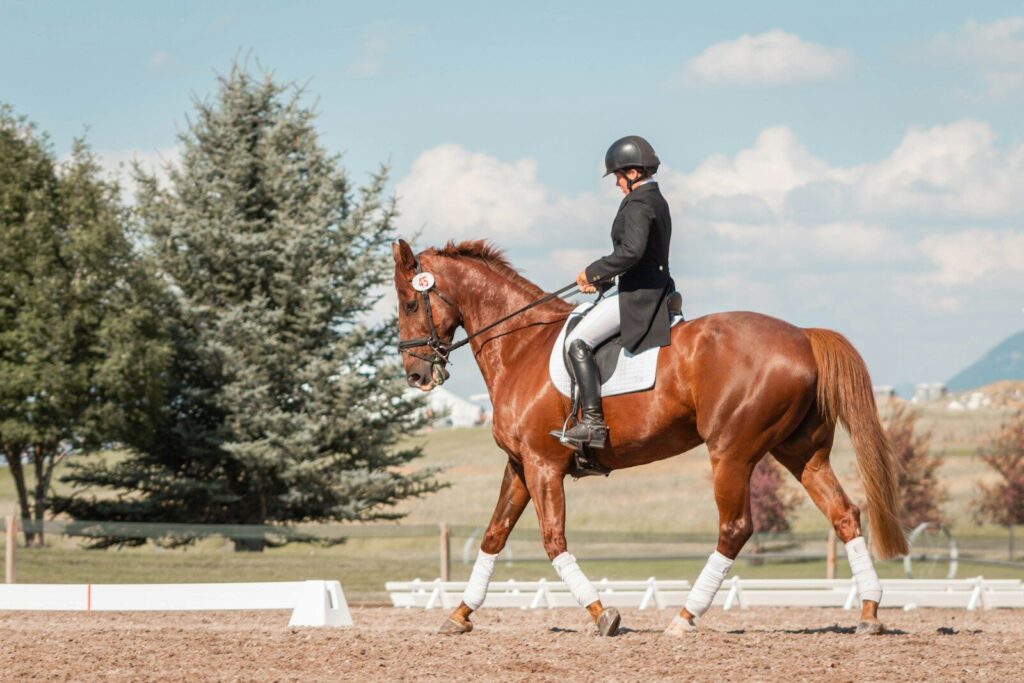
One of the first steps you’ll encounter is understanding proper positioning in the saddle. Your posture plays a vital role in how effectively you communicate with your horse. Start by sitting up straight, keeping your shoulders back and relaxed. Your heels should stay down, enabling a secure grip on the stirrups. This position helps maintain balance and stability, crucial for controlling your mount.
Another important aspect of riding is holding the reins correctly. Use a gentle and steady grip to establish clear communication with your horse. Your hands should rest comfortably above the horse’s neck, and your elbows should be slightly bent. Avoid pulling on the reins, as this can confuse your horse and lead to miscommunication. As you gain confidence, practice adjusting your grip depending on your horse’s movements and responses.
Next, let’s talk about the use of legs while riding. Your legs are essential tools for signaling and guiding your horse. Keep your legs relaxed against the horse’s sides without squeezing too tightly. To make your horse move forward, apply light pressure with your calves. For turning, gently squeeze with one leg while slightly shifting your weight to the opposite side of the horse. Learning this “leg cue” helps establish a stronger bond between you and your horse.
Consistency is key in honing your riding skills. Practice regularly to build muscle memory and confidence. One great way to do this is by setting up short, focused riding sessions. Concentrate on specific skills like walking, trotting, and steering. Gradually, you can increase the complexity of your exercises, such as adding transitions between gaits or performing circles. This process will enhance your proficiency and ensure you feel comfortable on the horse.
- Walking: Start slow and steady. Focus on your balance and posture.
- Trotting: Prepare for bounces. Rise slightly in the saddle to maintain comfort.
- Cantering: Transition smoothly. Ensure your horse is relaxed before attempting.
As you progress, you’ll find that breathing plays a crucial role in your riding experience. Calm, steady breaths help you remain relaxed, which in turn calms your horse. Practice deep breathing, inhaling through your nose and exhaling through your mouth. This simple technique can help reduce anxiety and improve your focus while riding.
Additionally, learning how to effectively steer your horse is vital. Use a combination of your reins, legs, and weight distribution to guide your horse. When steering, look in the direction you want to go and gently pull the corresponding rein. Shift your weight slightly to the side you want to turn towards. Practicing steering in open spaces can help you develop smoother movements and provide better direction to your horse.
It’s also important to become familiar with the horse’s movements. Each horse is unique, and understanding their behavior will enhance your riding experience. Pay close attention to how your horse responds to cues, and be ready to adapt your techniques as necessary. Spend time grooming and interacting with your horse on the ground to build trust and communication.
Remember to stay patient with yourself as you develop your riding skills. Every equestrian was once a beginner, and everyone learns at their own pace. Celebrate your small victories along the way, whether mastering a new gait or simply feeling more confident in the saddle. Joining a riding group or finding a mentor can also support your learning journey and offer valuable feedback.
Focusing on proper posture, effective communication through reins and legs, consistent practice, and understanding your horse will lay the groundwork for your riding journey. Enjoy every moment spent in the saddle, as it’s a fantastic way to connect with horses and nature.
Finding Local Equestrian Communities and Clubs: A Beginner’s Guide
Getting involved in equestrian activities as a beginner can be exciting yet overwhelming. Finding local equestrian communities and clubs is essential for a positive introduction to this world. Not only do these groups provide support and resources, but they also help you connect with other horse enthusiasts. Here’s how you can find and engage with local equestrian communities and clubs.
Understand What You’re Looking For
Before diving into the search, think about what interests you. Are you looking to ride casually, or do you want to compete? Understanding your goals will help you find suitable clubs:
- Riding lessons: Look for clubs offering beginner lessons to develop your riding skills.
- Competitive teams: If you have ambitions to compete, search for clubs with shows and events.
- Social events: Some clubs focus on fun gatherings and community building rather than competition.
Online Resources to Find Local Clubs
The internet is a powerful tool to help you identify local equestrian communities. Consider these helpful resources:
- Social Media: Platforms like Facebook have numerous groups dedicated to equestrian activities. Search for local groups in your area, such as “Equestrian [Your City]”.
- Websites and Directories: Websites such as the American Association of Equine Practitioners or The United States Equestrian Federation offer directories of local clubs and associations.
- Forums and Community Boards: Websites like Reddit or specialized equestrian forums can provide personal recommendations from fellow riders.
Visit Local Stables and Barns
Another effective way to find equestrian communities is by visiting local stables and barns. Here’s what you can do:
- Talk to Instructors: Many riding instructors are well-connected within the equestrian community and can guide you on local clubs.
- Check Bulletin Boards: Most barns and stables have bulletin boards displaying flyers for upcoming events and club activities.
- Attend Open Houses: Many stables host open houses. These events are great opportunities to meet people and learn about clubs.
Network with Other Riders
Once you join a community, networking will be crucial. Engage with other riders and their experiences. Here are a few ways to do that:
- Join Group Rides: Participate in group rides or events hosted by clubs.
- Attend Workshops: Many communities have workshops that cover various aspects of equestrian life. Attend them to broaden your skills and network.
- Volunteer Opportunities: Volunteering at local equestrian events can give you hands-on experience and help you meet active members in the community.
Check Out Local Equestrian Events
Engaging in local equestrian events can be a fun way to meet clubs and riders. Look for:
- Horse Shows: Visiting horse shows allows you to observe competitions and meet participants and their clubs.
- Clinics and Camps: These events provide knowledge and hands-on experience, allowing you to meet others who share your interests.
- Community Gatherings: Many clubs hold open days or social events where you can learn more about them.
Building Relationships
Once you find a club that interests you, focus on building relationships. Here are a few tips:
- Stay Active: Regular participation shows your commitment and helps you build rapport.
- Be Approachable: Smile and introduce yourself to members, making it easier to engage in conversations.
- Ask Questions: Showing interest in others’ experiences will help you learn and create bonds.
Finding the right local equestrian community or club is a rewarding journey. The connections and friendships you build will enhance your experience in equestrian activities. Embrace the learning process and enjoy the ride!
Conclusion
As you embark on your equestrian journey, utilizing the best free resources can set a solid foundation for your learning. With the essential gear for new horse riders, you can ensure both safety and comfort while building your confidence in the saddle. Understanding horse behavior is equally crucial; it helps you forge a strong bond with your horse, enhancing communication and trust. Moreover, mastering the basics of riding techniques will refine your skills and make each ride enjoyable and productive.
Connecting with local equestrian communities and clubs not only provides a support network but also offers valuable opportunities for hands-on experience and shared learning. These communities are filled with experienced riders who can mentor you and share their insights, which is especially beneficial as you navigate the early stages of riding.
In this thrilling world of horses, remember that every expert was once a beginner. Embrace the journey, be patient with yourself, and don’t hesitate to seek guidance from both online resources and your local riding community. Each ride will teach you something new, and every resource you utilize will contribute to your growth as an equestrian. By exploring these free resources and actively engaging with the equestrian community, you’re setting yourself up for a fulfilling and rewarding experience in the wonderful world of horse riding.