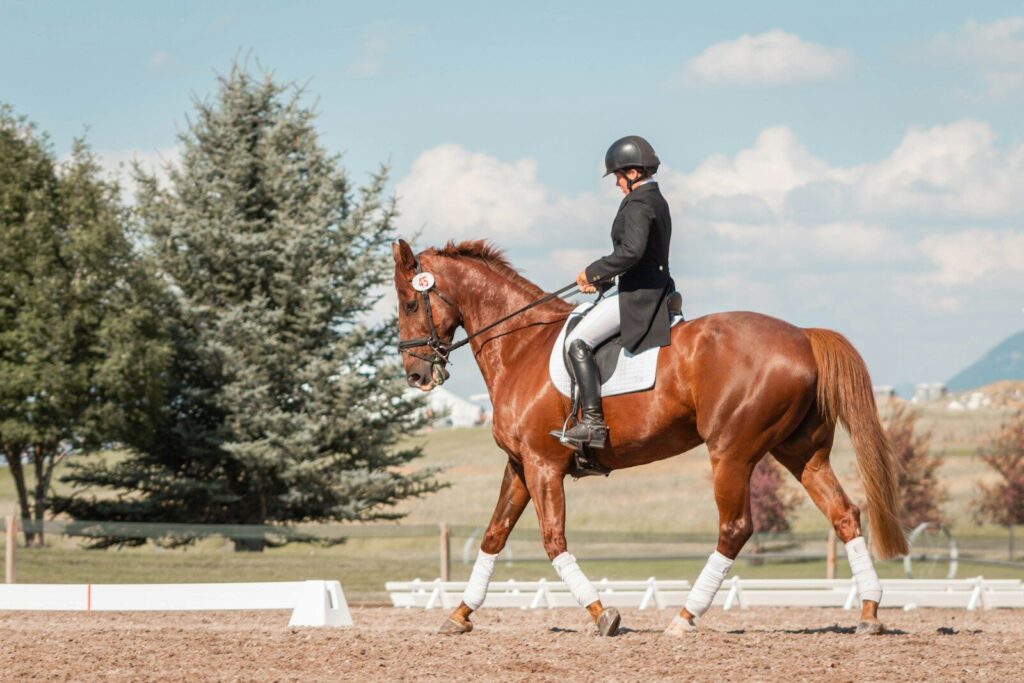
How Exercise Affects Your Horse’s Weight
Understanding how exercise affects your horse’s weight is essential for every horse owner. Whether you want to help your horse lose, gain, or maintain weight, exercise plays a crucial role. This article will guide you through the relationship between exercise and your horse’s weight while offering practical advice for optimum health.
The Role of Exercise in Weight Management
Exercise is like a toolbox for your horse’s body. When your horse engages in physical activity, it burns calories. The more you exercise your horse, the more calories it will burn, impacting its weight. Here are a few ways that exercise contributes to weight management:
- Caloric Burn: Regular workouts help your horse burn off excess calories. This is essential for preventing overweight issues.
- Muscle Development: Exercise strengthens muscles, improving overall fitness. More muscle means a higher metabolism, which aids in weight management.
- Improved Metabolic Rate: Consistent activity can boost your horse’s metabolic rate, helping with weight loss or maintenance.
- Behavioral Benefits: Exercise reduces boredom and anxiety, leading to a calmer horse. A happy horse is more likely to stay fit.
Types of Exercises for Your Horse
Different types of exercises will yield different results for your horse’s weight. It’s essential to engage in a variety of exercises that cater to your horse’s needs:
Unlock Your Free Equine Care Toolkit
Take the guesswork out of feeding and weight management.
1. Ground Work
Ground work is an excellent way to warm up your horse. Activities such as lunging and leading not only help build muscles but also improve coordination.
2. Riding
Riding exercises, such as trail riding or jumping, can significantly contribute to weight management. The intensity and duration will determine how many calories your horse burns during these activities.
3. Interval Training
Interval training, like short bursts of intense activity followed by a period of rest, can enhance cardiovascular health and contribute to more significant weight loss.
4. Free Movement
Allowing your horse to move freely in a safe environment helps build stamina and flexibility. Turnout time can also be a natural way of encouraging exercise.
Balancing Exercise with Nutrition
While exercise is vital, it must go hand in hand with nutrition. You cannot expect exercise alone to manage your horse’s weight effectively. Consider the following:
- Monitor Grain and Hay Intake: Be mindful of the amount of grain and hay you provide. Too much feed can counteract the benefits of exercise.
- Choose Quality Feed: Select high-quality feeds that cater to your horse’s energy needs based on its exercise regime.
- Hydration: Ensure your horse always has access to fresh water. Proper hydration improves performance and metabolism.
Signs Your Horse Is Maintaining a Healthy Weight
It’s crucial to keep an eye on your horse’s body condition. Here are some signs that indicate your horse is maintaining a healthy weight:
- Visible Ribs: You should be able to see your horse’s ribs without an excessive layer of fat.
- Healthy Coat: A shiny, healthy coat indicates good nutrition and wellbeing.
- Active Behavior: An active, energetic horse is often a sign of good weight and health.
- Normal Appetite: A horse with a balanced diet will have a consistent appetite.
Adjusting Your Horse’s Exercise Routine
If you notice your horse gaining or losing weight unintentionally, it may be time to adjust its exercise routine. Always consult with your veterinarian or an equine nutritionist to develop the best plan tailored to your horse’s needs. A gradual approach is key—avoid sudden changes that may cause stress or injury.
Regularly assess your horse’s weight and health to ensure they are thriving. By understanding how exercise affects your horse’s weight, you’re helping them lead a happier, healthier life.
Unlock Your Free Equine Care Toolkit
Take the guesswork out of feeding and weight management.
Understanding Equine Metabolism and Weight Management
When it comes to horse care, understanding equine metabolism is vital for effective weight management. Horses, like people, have unique metabolisms that directly influence their weight and overall health. Learning how your horse’s body responds to food and exercise can help you maintain a healthy weight for your equine companion.
The metabolism of a horse refers to the chemical processes that convert food into energy. Similar to other animals, horses use nutrients from their diet for growth, maintenance, and performance. However, equines have distinctive metabolic needs based on several factors, including age, breed, and activity level.
When observing how exercise affects your horse’s weight, it’s important to recognize how different types of workouts burn calories and influence metabolism. Here are some key points to consider:
- Types of Exercise: Different forms of exercise have varying impacts on your horse’s weight. For example, aerobic activities like long-distance riding help burn fat, while anaerobic exercises, such as sprinting, build muscle. Both are essential for overall fitness and metabolism.
- Intensity Matters: The intensity of the workout plays a significant role. Higher intensity workouts typically burn more calories, which can help reduce excess weight. Engaging your horse in interval training can be particularly effective.
- Consistency Counts: Just like humans, horses benefit from regular exercise. Establishing a routine not only keeps your horse fit but also regulates its metabolism, making it easier to maintain a healthy weight.
The type and quality of the feed you provide are directly tied to your horse’s metabolism. Equine diets often consist of hay, grains, and supplements. Here is how to optimize their feed for weight management:
- Focus on Forage: High-fiber forages, like hay and grass, should form the core of your horse’s diet as they promote healthy digestion and provide essential nutrients.
- Limit Grains and Sugars: Grains are high in calories and can lead to weight gain if not managed properly. Choose low-sugar options, especially for horses prone to obesity.
- Monitor Treats: Treats should be offered sparingly and should consist of healthier options, such as carrots or apples. Always consider how treats fit into your horse’s overall caloric intake.
An important aspect of managing your horse’s weight involves evaluating their body condition score (BCS). This system helps you assess your horse’s weight in relation to their height and build. Using a scale from 1 to 9, where 1 is underweight and 9 is obese, can guide you in understanding whether your horse is at a healthy weight. Regularly monitoring your horse’s BCS will help you adjust their diet and exercise routine as needed.
Your horse’s age and breed also play vital roles in its metabolism and weight management. Older horses may require diets richer in certain nutrients to maintain muscle mass and energy levels. Similarly, some breeds naturally gain weight easier than others. Recognizing these differences can help tailor a plan that suits your specific horse’s needs.
Hydration is another critical factor in equine metabolism. Always ensure your horse has access to fresh, clean water. Sufficient hydration aids in digestion and can assist in maintaining a healthy weight.
Consider the role of veterinary care in your weight management strategy. Regular check-ups can help identify any underlying health issues affecting your horse’s metabolism. Your vet can provide additional insights on nutrition and exercise tailored to your horse’s unique requirements.
By understanding how equine metabolism works, you can create a comprehensive plan that incorporates balanced nutrition and an appropriate exercise regimen. This will go a long way in managing your horse’s weight effectively while promoting overall wellness. Enjoying the ride together is much easier when your equine partner is healthy and fit!
Unlock Your Free Equine Care Toolkit
Take the guesswork out of feeding and weight management.
The Role of Nutrition in Your Horse’s Fitness Routine
When it comes to ensuring your horse maintains peak fitness, nutrition plays a vital role. What you feed your horse directly influences its performance and overall health. You may be wondering how certain foods can impact your horse’s stamina, strength, and recovery. Let’s explore the connection between nutrition and your horse’s fitness routine.
The right balance of nutrients helps fuel your horse’s workouts and supports muscle growth. The primary components of a horse’s diet include carbohydrates, proteins, fats, vitamins, and minerals. Each of these nutrients has a specific job to enhance your horse’s fitness.
Carbohydrates: The Energy Source
Carbohydrates are the main source of energy for your horse. They are essential for high-intensity activities. When your horse works hard, its muscles convert carbohydrates into energy. The more vigorous the exercise, the more carbohydrates your horse needs. This is particularly important during competition or intense training.
Consider the following sources of carbohydrates for your horse:
- Oats
- Barley
- Corn
- Timothy hay
Proteins: Building Blocks of Muscle
Protein supports muscle development and repair. After exercise, your horse’s muscles break down and need protein to recover and grow stronger. Lameness and fatigue can result from inadequate protein in their diet.
Include quality protein sources like:
- Alfalfa hay
- Soybean meal
- Beet pulp
- Commercial feeds with added protein
Fats: A Dense Energy Source
Fats are another energy source that is essential for long-duration activities. They provide more energy than carbohydrates and proteins, making them a useful addition to your horse’s diet, especially for endurance sports. Fats also support skin and coat health.
Healthy fat options include:
- Vegetable oils (like canola or flaxseed oil)
- Rice bran
- Fish oil
Vitamins and Minerals: Micronutrients Matter
Although they are needed in smaller amounts, vitamins and minerals are crucial for overall health and fitness. They support metabolic processes, energy production, and muscle function. A balanced diet ensures that your horse receives adequate amounts of these nutrients.
Key vitamins and minerals to focus on include:
- Calcium and phosphorus for strong bones
- Vitamin E for muscle repair
- Electrolytes for hydration
Timing and Balance in Feeding
How you time your feeding can also influence your horse’s performance. Feeding your horse before training can provide the necessary energy for that workout. On the other hand, feeding immediately after exercise can help with recovery. Aim for a balanced approach that meets both energy and nutrient needs.
Consider implementing these feeding strategies:
- Feed smaller, frequent meals instead of one large one.
- Maintain a consistent feeding schedule.
- Provide plenty of fresh water and electrolytes, especially in warmer weather.
Monitoring Weight and Health
Regularly monitor your horse’s weight and condition. Adjust the diet based on its activity level and fitness goals. If your horse is gaining too much weight, reduce the caloric intake. If it’s losing weight, consider increasing the energy in its diet.
By paying attention to your horse’s dietary needs, you can enhance its fitness routine significantly. The right combination of nutrients helps sustain energy levels, supports recovery, and builds strength. This holistic approach not only maintains your horse’s fitness but also promotes a healthier, happier life.
Different Types of Exercises for Weight Control in Horses
Keeping your horse at a healthy weight is important for its overall well-being and performance. One of the most effective ways to manage your horse’s weight is through exercise. Different types of exercises can help maintain or reduce your horse’s weight, depending on its individual needs. By incorporating a balanced workout routine, you can ensure that your horse stays fit and healthy.
Cardiovascular Exercises
Cardiovascular exercises are crucial for burning calories and improving your horse’s endurance. These activities help strengthen the heart and lungs, making them better equipped to handle exercise. Here are some effective cardiovascular exercises:
- Trail Riding: Riding on trails not only provides a great workout, but it also keeps your horse mentally stimulated. Varying the terrain can push your horse’s limits, helping them build stamina.
- Canter Work: canter sessions into your routine offers high-impact workouts that increase heart rate significantly. This speed can help your horse shed excess weight effectively.
- Long Lining: Long lining is a method that allows you to guide your horse from behind on a long line. This technique encourages free movement and more natural exercise, promoting weight loss.
- Ground Poles: Setting up ground poles can turn your exercise into a fun challenge. Your horse will engage its muscles while navigating obstacles, which can aid in weight control.
Strength Training
Building strength is essential for supporting your horse’s overall muscle tone and improving its metabolism. Here are some strength training options:
- Hill Work: Riding uphill requires more effort and engages multiple muscle groups. It’s an excellent way to build strength while promoting weight loss.
- Jumping Exercises: Jumping not only develops muscle strength but also enhances coordination and balance. Make sure to start with low jumps and progressively increase the height.
- Cavaletti Work: Using cavaletti, or small jumps, encourages your horse to engage its core muscles and improves its agility. This kind of exercise can be adjusted to match your horse’s ability.
Flexibility Exercises
Flexibility exercises enhance your horse’s range of motion, which is vital for preventing injuries. Improved flexibility can help your horse perform better in any activity, while also burning calories. Consider these exercises:
- Stretching: Gentle stretching before and after rides helps loosen up the muscles. Focus on the neck, back, and legs to maintain flexibility.
- Side Passing: Training your horse to side pass promotes lateral flexibility. This exercise can be beneficial during riding and warms up essential muscle groups.
- Backing Up: Encouraging your horse to back up not only enhances its balance but also activates different muscles, aiding in overall fitness.
Play-Based Exercises
Playing is an excellent way for your horse to stay active and motivated. Interactive activities can help manage weight while keeping your horse engaged. Here are some playful options:
- Turnout Time: Regularly allowing your horse to roam freely in a large paddock helps burn calories. It encourages natural behaviors and physical activity.
- Horseball: Introducing games like horseball can be a fun way to promote fitness. Players must work together, fostering teamwork and exercise.
- Obstacle Courses: Setting up an obstacle course in your riding arena challenges your horse physically and mentally. This variety can motivate your horse to stay active.
A mix of cardiovascular, strength, flexibility, and play-based exercises is vital for controlling your horse’s weight. Each type of exercise provides unique benefits and helps create a well-rounded fitness routine. Adjusting workout plans based on your horse’s individual needs will ensure they remain healthy and happy. Always monitor their condition and consult with a veterinarian or equine professional if you’re unsure about specific exercises or routines.
Monitoring Your Horse’s Weight: Tools and Techniques
Keeping an eye on your horse’s weight is crucial for its overall health and performance. Monitoring their weight helps you identify changes in health as well as adjust diets and exercise plans accordingly. Fortunately, a variety of tools and techniques can help you keep track of your horse’s weight effectively.
Understanding Weight Management
Every horse has an optimal weight that ensures it remains healthy and energetic. Regularly monitoring weight helps pinpoint if your horse is underweight or overweight. You should regularly assess their condition to avoid potential health issues. One way to start is by familiarizing yourself with how to assess your horse’s body condition score (BCS). This scoring system ranges from one to nine, allowing you to visualize how your horse looks and feels.
Essential Tools for Weight Monitoring
Here are some indispensable tools for tracking your horse’s weight:
- Weight Tape: This flexible measuring tape gives an estimate of your horse’s weight based on girth measurements. To use it effectively, wrap the tape around the widest part of your horse’s belly and read the corresponding weight. Although not perfectly accurate, it offers a quick estimate.
- Scale: If you want the most accurate reading, consider using a livestock scale. Many farms have portable scales, and taking your horse to weigh it on a certified scale can yield the best results. Remember to check the weight methodically and repeat as necessary for accuracy.
- Body Condition Scoring Charts: Visual aids or charts can help you determine your horse’s BCS. These charts depict the physical characteristics to examine, focusing on the neck, withers, ribs, and overall body shape.
- Smartphone Apps: Several mobile applications are available that not only track weight but also provide dietary adjustments and exercise plans tailored for your horse.
Techniques for Monitoring Weight
Beyond using tools, there are methodologies you can employ to ensure you are effectively monitoring your horse’s weight:
1. Regular Weigh-Ins
Consistency is key. Weigh your horse at least once a month or more frequently if you are undergoing changes in diet or exercise. This can help you notice significant fluctuations in weight that require immediate attention.
2. Visual Inspections
Get accustomed to recognizing changes in your horse’s physique. Perform regular checks by observing significant areas like the ribs, back, and stomach. An increase in fat around these areas might signal weight gain, whereas visible ribs might indicate loss. Coupled with a weight tape or scale, visual inspection is often very effective.
3. Diet Tracking
Keeping a log of your horse’s diet can be very beneficial. Track everything from hay types to grain portions. Responsible feeding can ward off both obesity and malnourishment and keep you informed of what your horse needs. A balanced diet is essential for maintaining the right weight.
4. Exercise Regimen
Adjust your horse’s exercise to suit its weight goals. If your horse needs to lose weight, an increase in consistent routine workouts can stimulate weight loss. Conversely, if it needs to gain weight, consider slowing the training routine and increasing nutritious feeds.
Common Weight Management Challenges
Horse owners may face challenges when monitoring weight. Some horses have a natural tendency to gain weight, while others lose weight easily. Stress or changes in environment can also impact eating habits. Be attentive to your horse’s behaviors and adapt your strategies accordingly. Always consult with a veterinarian to create tailored weight management plans that address your horse’s unique needs.
By leveraging the right tools, techniques, and professional guidance, you can ensure your horse maintains a healthy weight. Remember that proactive weight management is not only about numbers but significantly affects your horse’s overall well-being. Use this information to create a sustainable routine that promotes your horse’s health through optimal weight monitoring.
Conclusion
Maintaining a healthy weight for your horse is a multifaceted approach that requires thoughtful consideration of exercise, nutrition, and regular monitoring. Understanding how exercise directly impacts your horse’s weight is crucial. Regular physical activity not only burns calories but also boosts your horse’s metabolism, aiding in fat loss and muscle building.
Equine metabolism plays a significant role in how your horse processes food and utilizes energy. A balanced diet tailored to their exercise routine can enhance overall fitness and weight management. Ideally, nutritious food and appropriate exercise should go hand in hand, creating a holistic approach to your horse’s well-being.
When it comes to exercise, incorporating different activities, such as riding, lunging, and groundwork, can keep your horse engaged while effectively managing their weight. Each type of exercise offers unique benefits, ensuring your horse remains fit and healthy.
Monitoring your horse’s weight is vital for assessing their overall health and adjusting their diet or exercise regime as needed. Utilize tools such as weight tapes, scales, and regular visual assessments to stay informed about your horse’s condition.
By combining knowledge of how exercise affects your horse’s weight with an understanding of their metabolism, proper nutrition, and comprehensive weight monitoring techniques, you can develop a well-rounded fitness plan. This commitment to your horse’s health not only enhances their performance but promotes a happier, more balanced life. Remember, a healthy horse is a happy horse.