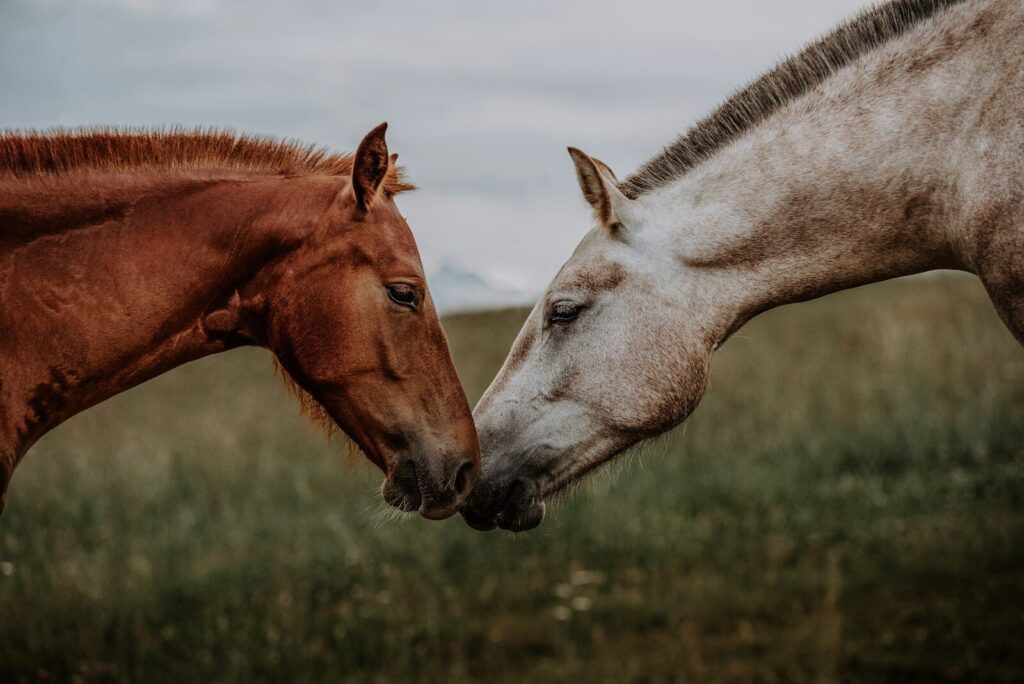
Transitioning Your Horse to Spring Pasture Safely: Best Practices
The arrival of spring signals a vibrant change in the atmosphere, and for horse owners, it represents a critical time for transitioning your beloved companion to fresh pastures. Spring pastures can be a rich source of nutrients, but making the switch requires diligence to ensure your horse’s health and well-being. Here are some best practices to help you navigate this change safely.
Understand Your Horse’s Nutritional Needs
Every horse is unique, and recognizing your horse’s specific dietary requirements is paramount. Factors that influence their nutritional needs include age, weight, activity level, and health status. Before transitioning, consult with your veterinarian or equine nutritionist. They can provide insights tailored to your horse’s needs, ensuring you avoid any nutritional deficiencies or excesses.
Assess the New Pasture
Before introducing your horse to a new spring pasture, it’s essential to evaluate the area. Look for:
Unlock Your Free Equine Care Toolkit
Take the guesswork out of feeding and weight management.
- Grass Type: Different grasses offer varying levels of nutrients and sugars. Identify what type of grass is present and whether it suits your horse.
- Pasture Condition: Is the pasture lush and healthy? Look for signs of weeds, bare patches, or muddy areas.
- Water Source: Ensure there’s clean, accessible water available in the pasture for hydration.
- Fencing: Check that the fencing is secure to prevent escapes or unwanted interactions with other animals.
Gradual Introduction
One of the most crucial aspects of transitioning your horse to spring pasture safely is a gradual introduction. Sudden access to fresh grass can lead to digestive issues, such as colic or laminitis due to the high sugar content. Follow these steps for a smooth transition:
- Start Small: Begin by letting your horse graze in the new pasture for just 15 to 30 minutes a day. This allows their digestive system to adjust.
- Increase Duration: Gradually increase grazing time by 15 minutes every few days, observing how your horse reacts.
- Monitor Signs: Pay attention to any changes in behavior or signs of discomfort. If your horse shows signs of distress, slow down the transition.
Manage Eating Habits
Horses are natural grazers, and they often consume forage throughout the day. In the spring, rapid growth of grass can trigger overeating, leading to health risks. To manage your horse’s eating habits:
- Use a Grazing Muzzle: During the transition, consider using a grazing muzzle to limit grass intake while still allowing them to enjoy the pasture.
- Supplement Feed: Maintain their regular feed schedule to ensure balanced nutrition while they graze.
- Set Timed Grazing: If possible, set specific times for grazing to control the amount consumed in each session.
Check for Allergens and Pests
Spring can bring various allergens and pests that may affect your horse. Check the pasture for signs of common allergens like pollen or certain plant species that may be harmful. Additionally, keep an eye out for insects that could lead to discomfort or disease. Implement preventive measures such as:
- Fly Sprays: Use horse-safe fly repellents to help keep annoying pests away.
- Pasture Rotation: Rotate grazing areas if possible, which can reduce the likelihood of pests and allergens accumulating.
Regular Health Checks
Once your horse is transitioned to the spring pasture, it’s essential to keep up with regular health checks. Monitoring their weight, appetite, and behavior will help you catch any potential issues early. Routine veterinary care is also crucial and should include vaccinations and deworming as needed.
Transitioning your horse to spring pasture safely is a thoughtful process that involves preparation and gradual adaptation. By understanding your horse’s needs, carefully assessing the new environment, and implementing best practices, you can enjoy a bountiful spring pasture experience. With these strategies, your horse can relish the benefits of springtime grazing while staying healthy and happy.
Recognizing Signs of Pasture Poisoning in Horses
Pasture poisoning in horses is a serious concern for equine owners, especially as we move into vibrant grazing seasons. Understanding the signs of pasture poisoning can mean the difference between a quick recovery or serious health issues for your beloved horse. Recognizing these signs promptly is essential to ensure timely treatment and management.
Firstly, it’s critical to know what causes pasture poisoning. Horses can be poisoned by toxic plants, moldy hay, and chemical fertilizers. Plants such as red maple, yew, and certain types of clover can be particularly harmful. Additionally, environmental factors play a role, especially as conditions change rapidly with the seasons.
Signs to Watch For
Pay close attention to your horse’s behavior and physical signs if you suspect they may have ingested something toxic. Key indicators of pasture poisoning include:
Unlock Your Free Equine Care Toolkit
Take the guesswork out of feeding and weight management.
- Colic: This is one of the first symptoms to look for. If your horse shows signs of discomfort, like rolling or pawing the ground, it’s time to investigate further.
- Loss of Appetite: If your horse suddenly refuses to eat or drink, this could be a sign they are feeling unwell.
- Diarrhea: Changes in stool consistency can be alarming. Watery feces can indicate gastrointestinal distress often linked to poison.
- Rapid Breathing: If your horse’s breathing seems labored or rapid, this could signal a serious issue that needs immediate attention.
- Nervous Behavior: Watch for unusual signs of anxiety, such as pacing, shaking, or excessive sweating. These can signal that your horse is experiencing distress.
Physical Signs of Poisoning
In addition to behavioral changes, physical symptoms can provide valuable clues. Keep an eye out for:
- Jaundice: Yellowing of the eyes or skin indicates liver complications, often related to certain plants.
- Swelling: Look for swelling around the face or limbs, which can signal allergic reactions or toxicity.
- Tremors: Involuntary shaking or spasm may occur, especially if the horse has ingested neurotoxic plants.
- Lethargy: A notable decrease in energy or unwillingness to move should raise immediate concern.
Toxic Plant Identification
To prevent pasture poisoning, it’s essential to recognize and eliminate toxic plants from your grazing areas. Some common poisonous plants include:
- Red Maple Trees
- Yew Bushes
- Foxglove
- Bracken Fern
- Daylilies
Consult with local agricultural extensions or equine professionals to learn more about plants that may pose a threat in your region.
Immediate Actions to Take
If you suspect your horse may be suffering from pasture poisoning, speed is essential. Here are immediate steps to follow:
- Contact your veterinarian right away and share all information on what you think your horse may have ingested.
- Keep your horse calm and minimize its movement to reduce stress and prevent further complications.
- Remove the horse from the contaminated pasture to a safe space where it won’t have access to any potentially toxic plants.
- Monitor your horse’s condition closely and report any changes to your vet.
Always make it a habit to regularly check your pastures for any vegetation changes, and maintain a close relationship with your veterinarian for proper management plans. Being proactive can save your horse from the dangers of pasture poisoning.
Understanding the signs of pasture poisoning is crucial for any horse owner. By educating yourself and staying attentive to changes in your horse’s behavior and health, you can help prevent serious issues and ensure they enjoy a safe grazing experience.
The Importance of Grazing Management in Spring
Springtime is a crucial period for horse owners, and one of the key aspects to focus on during this season is grazing management. As pastures begin to green and grow, your horse’s diet can shift significantly. Implementing effective grazing management practices will not only enhance your horse’s health but also ensure the longevity and quality of your pasture.
Effective grazing management involves understanding the nutritional needs of your horse and the health of your pasture. As your horse transitions from hay to fresh grass, monitoring their intake and health should be a priority. Remember, sudden changes in diet can lead to serious health issues such as laminitis or colic.
Assessing Your Pasture
Before allowing your horse access to spring pasture, take some time to assess its condition. Look for:
Unlock Your Free Equine Care Toolkit
Take the guesswork out of feeding and weight management.
- Grass Variety: Assess which types of grasses are growing. Some grasses may be rich in sugars, which can be harmful if consumed in large quantities.
- Weeds: Identify and control any weeds that may be toxic or undesirable for your horse’s diet.
- Pasture Density: Evaluate how thick the grass is. Overly dense grass may inhibit your horse’s grazing and promote selective eating.
- Soil Health: Fertility and pH of the pasture can impact grass quality. Regular soil testing can help maintain healthy pastures.
Transitioning to Pasture Gradually
When it comes to transitioning your horse to spring pasture, a gradual approach is essential. Begin by allowing your horse to graze for short periods, gradually increasing the time spent on pasture. Here’s a simple plan:
- Start with 15-30 minutes of grazing each day.
- Increase by 15 minutes every few days, depending on how well your horse adjusts.
- Monitor your horse closely for signs of discomfort, such as changes in behavior or digestive issues.
This slow transition allows your horse’s digestive system to adapt to the new sugars and nutrients present in the fresh grass. It can help reduce the risk of colic and laminitis.
Managing Grazing Time
Proper management of grazing time is vital for both your horse and the pasture’s health. Overgrazing can lead to nutrient depletion and pasture degradation. To manage grazing effectively:
- Use a Grazing Schedule: Divide your pasture into sections and rotate your horses through them. This allows grasses to recover and regrow.
- Limit Grazing Hours: During periods of lush growth, restrict grazing time to prevent your horse from overeating.
- Consider Strip Grazing: This method allows horses to graze in a controlled manner, optimizing pasture utilization.
Monitoring Weight and Health
As your horse transitions to spring pasture, keep an eye on their weight and overall health. A sudden weight gain can indicate that they’re eating too much lush grass. Regularly check:
- Body Condition Score: Use a body condition scoring system to assess if your horse is at a healthy weight.
- Behavior: Watch for signs of discomfort or changes in behavior that might indicate digestive issues.
- Vet Check: Regular veterinary check-ups can help ensure your horse stays healthy during this transition.
With thoughtful grazing management, you can ensure your horse thrives during spring. Proper planning and monitoring will not only benefit your horse’s health but also help maintain the health of your pasture. Transitioning your horse to spring pasture safely is about understanding both your horse’s needs and the condition of the grass they will be enjoying.
Effective grazing management is essential during spring. By assessing your pasture, transitioning gradually, managing grazing time, and monitoring your horse’s health, you’ll create a safe environment for grazing and enhance your horse’s overall well-being. Happy spring grazing!
How Nutrition Needs Change During the Spring Transition
As winter gives way to spring, your horse’s nutrition needs will change significantly. The shift from hay-based diets to fresh pasture can be exciting, but understanding these changes is crucial for your horse’s health. Proper management will ensure that your horse thrives as they transition into the lush grazing season.
First, it’s important to recognize that spring pastures are often rich in nutrients. As the grass begins to grow, it can contain high levels of sugars, proteins, and water content. This abundance can be beneficial, but it can also lead to issues like colic or laminitis if not introduced properly. To keep your horse healthy, consider the following tips on how best to adjust their diet as you transition to spring pasture.
When making this shift, it’s essential to introduce your horse to fresh pasture gradually. Start by allowing your horse to graze for short periods each day. Here’s a simple plan:
- Week 1: Keep grazing sessions to about 20-30 minutes, once a day.
- Week 2: Increase the duration to 40-60 minutes, while still only allowing one session per day.
- Week 3: If your horse is adapting well, you can allow them to graze for up to two hours per day.
- After three weeks, you can assess your horse’s condition and expand grazing times further.
Another key aspect of managing nutrition during this transition is monitoring your horse’s weight. The richness of spring pasture can lead to rapid weight gain, which is another risk factor for metabolic issues. Keep an eye on your horse’s body condition score (BCS) and adjust grain or hay portions accordingly to stabilize weight. If your horse tends to gain weight quickly, you may need to restrict grazing time even further.
It’s also advisable to keep your horse’s hay intake in mind. Even as fresh grass becomes available, continue to provide high-quality hay. This will help promote a balanced diet while your horse adapts to the new nutritional profile of spring pasture. Hay acts as a buffer, allowing your horse’s digestive system to adjust to the increased sugars in fresh grass.
To further support your horse’s health during this transitioning period, consider adding supplements that work with the new diet. Products containing magnesium can help manage insulin sensitivity, while probiotics can support a healthy gut. Always consult with your veterinarian for recommendations tailored to your horse’s specific needs.
A strong focus on hydration is equally essential as the weather warms up. Ensure that clean, fresh water is always available, especially as your horse increases grazing time. Dehydration can lead to serious health issues, so monitor your horse’s water intake closely, particularly on warmer days.
Be aware of the signs that indicate your horse is not adjusting well to spring pastures. If you notice any changes in their behavior, eating habits, or a drop in condition, act quickly. These changes might include:
- Lethargy or excessive energy.
- Changes in manure consistency.
- Signs of colic, such as pawing at the ground.
- Obvious weight gain or loss.
As your horse adapts to spring pastures, it’s important to stay vigilant about their diet and health. If you have other horses sharing the pasture, ensure that their diets are also monitored. Each horse has unique dietary needs based on their age, breed, and overall health, so it’s essential to create individualized plans.
These strategies will enable you to transition your horse to spring pasture safely and effectively. By taking the necessary precautions, you can promote a healthy diet and optimal well-being for your equine friend during this vibrant season.
Preparing Your Pasture for Healthy Horse Grazing in Spring
As the winter frost melts away and the days grow longer, spring signals the perfect time to transition your horse to lush green pastures. However, this shift needs careful planning to ensure healthy grazing for your horse. Preparing your pasture correctly will help boost your horse’s health and maintain the quality of your pasture.
Assessing the Condition of Your Pasture
Before transitioning your horse to spring pasture, it’s vital to evaluate the condition of your grazing area. Look out for:
- Weeds: They can compete with grass for nutrients and may be toxic to horses. Identify any invasive species that need to be controlled.
- Soil Quality: Healthy soil is the bedrock of a productive pasture. Testing your soil can help determine nutrient levels and pH balance.
- Grass Growth: Ensure that your pasture has fully recovered and has new growth established. This minimizes the risk of horses overeating and facing digestive issues.
Engaging in Pasture Maintenance
Once you’ve assessed your pasture, the next step involves some maintenance tasks:
- Fertilizing: A spring fertilizer can enhance grass growth and provide essential nutrients. Ensure you choose a fertilizer suitable for horse pastures.
- Mowing: Regular mowing encourages even growth and helps eliminate weeds. Mow before introducing your horse to keep the pasture healthy.
- Harrows and Aeration: Using harrows can break up soil and stimulate growth, while aeration can improve root development and grass health.
Gradually Introducing Your Horse to Pasture
To ensure a smooth transition, it’s essential to introduce your horse gradually to spring pasture:
- Starting Slow: Begin with short grazing periods, around 30 minutes to 1 hour, then gradually increase the time. This helps your horse adjust to the rich grass and prevents overindulgence.
- Monitor Behavior: Keep a close eye on your horse for any signs of discomfort or colic. If your horse shows any signs of distress, reduce grazing time and consult your veterinarian.
- Plan for Rotational Grazing: This technique involves moving horses between different pasture sections, allowing grass to recover and preventing overgrazing.
Ensuring Ongoing Pasture Health
After successfully transitioning your horse to pasture, maintaining its health is equally crucial:
- Regular Inspections: Check for signs of overgrazing such as bald spots or bare patches. Timely intervention can prevent long-term damage.
- Water Supply: Ensure your horse has constant access to fresh water. Hydration is essential, especially as the temperature rises.
- Nutritional Management: Depending on the quality of the pasture, you may need to supplement your horse’s diet with hay or grains to meet its nutritional needs.
Understanding Seasonal Changes and Impact
The transition to spring pasture affects not only your horse’s diet but also the overall health of your pasture landscape. Watch for changing weather conditions that may impact grass growth. A sudden freeze or heavy rain can impact pastures significantly. Be prepared to adapt your grazing strategy accordingly.
Creating a Safe Grazing Environment
Safety is a top priority. Ensure your pasture fencing is in good repair to prevent escapes and potential injuries. Remove any hazardous objects from the pasture, such as sharp debris or toxic plants. Regular checks can help maintain a safe grazing environment for your horse.
Spring is an amazing time for growth and renewal. With careful preparation and attention, transitioning your horse to spring pasture can lead to a fruitful and happy grazing experience. By following these simple strategies, you’ll contribute to your horse’s health and create a thriving pasture ecosystem.
Conclusion
Successfully transitioning your horse to spring pasture requires careful planning and a proactive approach. By following best practices, you can ensure your horse enjoys the benefits of fresh grass while minimizing risks. Recognizing the signs of pasture poisoning is crucial; awareness allows for prompt action if problems arise. Always keep an eye on your horse’s behavior and health to catch any illnesses early.
Grazing management becomes vital as your horse adjusts to the abundance of new grass. Setting up a grazing schedule and rotating pastures can prevent overgrazing and allow your horse to adapt gradually. As you manage the transition, remember that your horse’s nutritional needs change with the season. Fresh spring grass is high in sugars, which may necessitate adjustments to your horse’s regular diet—such as reducing grain or offering more hay.
Preparing your pasture is equally important. Before allowing your horse to graze, inspect the area for harmful plants, ensure adequate fencing, and consider sectioning off portions to encourage healthy growth. This way, you create a sustainable grazing environment that supports your horse’s health and well-being.
By being diligent and informed, you can help your horse thrive during this seasonal change. A well-planned transition not only enhances your horse’s health but also contributes to a flourishing pasture that benefits all your equine companions. With the right strategies in place, spring can become an enjoyable and healthy time for both you and your horse.