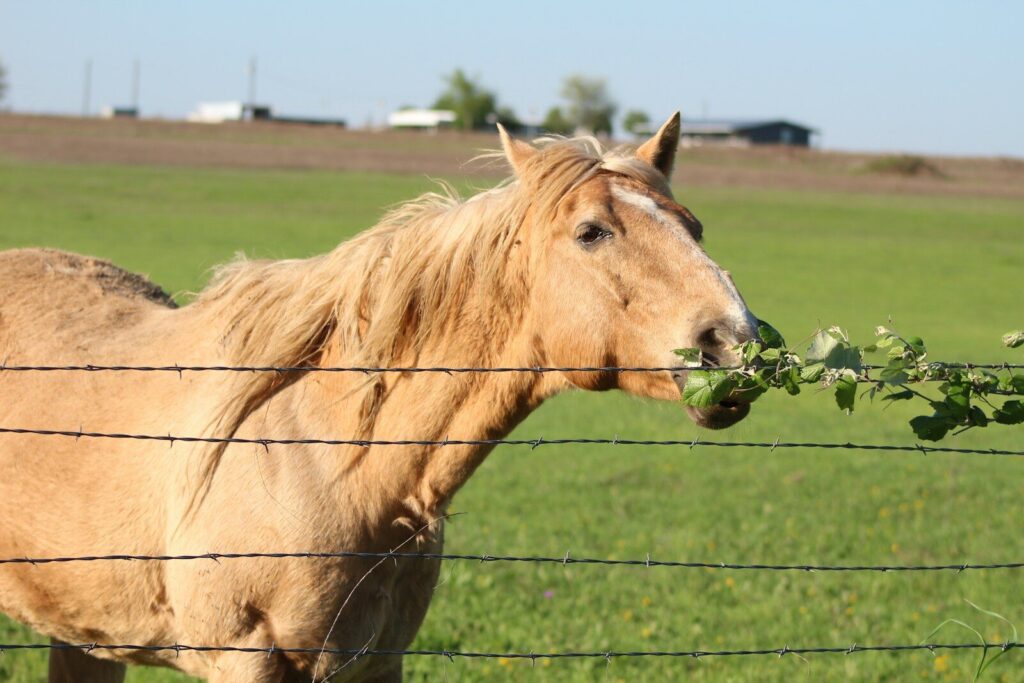
The Importance of Forage in Equine Nutrition
Forage plays a crucial role in equine nutrition, serving as the foundation of a horse’s diet. Whether you have a pony, thoroughbred, or draft horse, understanding the significance of forage can enhance your horse’s health and performance. Forage primarily includes grasses, hay, and other plants that are high in fiber. These plants form the bulk of a horse’s diet and provide essential nutrients needed for proper growth and development.
One of the main reasons forage is vital for equine nutrition is its high fiber content. Fiber is essential for maintaining healthy digestion in horses. When horses consume forage, it stimulates normal digestive function and keeps their gut moving efficiently. This is crucial because it helps prevent common issues like colic, which can occur when horses do not consume enough fibrous material.
Moreover, forage is a natural source of energy for horses. The carbohydrate content found in grasses and hay provides the necessary energy for your horse’s daily activities, whether it’s exercise, walking around the pasture, or just playing. This energy is released slowly, promoting stamina and endurance throughout the day.
Unlock Your Free Equine Care Toolkit
Take the guesswork out of feeding and weight management.
When selecting forage, it’s essential to consider various factors such as age, activity level, and specific health needs. Different types of forage have different nutritional profiles. For example:
- Grass hay: Generally lower in calories, suitable for maintaining weight in lighter work horses.
- Alfalfa hay: Higher in protein and energy, great for growing, working, or pregnant mares.
- Legume hays: These provide a good balance of protein, necessary for muscle development.
Another important aspect of forage in equine nutrition is its role in water intake. Horses can absorb a significant amount of water from the moisture found in fresh forage. This is especially important during hot weather when hydration becomes critical. Even with hay, some types are higher in moisture, ensuring your horse remains well-hydrated while consuming their feed.
In addition to physical health benefits, forage also contributes to your horse’s mental wellbeing. Horses are natural grazers, and their instinctive behavior is to spend time eating throughout the day. Providing ample forage allows them to express this natural behavior, reducing stress and boredom. Horses that are kept in stalls may benefit even more from an ample supply of forage to help alleviate anxiety that comes from confinement.
It’s also important to monitor forage quality. Poor quality forage can cause digestive issues and may lead to health complications. Look for signs of mold or dust, which can be harmful. Fresh, bright, and clean hay or pasture is ideal. Additionally, routine sampling and testing of hay can help assess its nutrient content to ensure it meets your horse’s dietary needs.
Balancing forage with additional feeds is also critical. While forage should make up the majority of your horse’s diet, some may require grain or supplements, especially if they are working hard or have increased nutritional demands. Always consult with a veterinarian or equine nutritionist for personalized dietary advice based on your horse’s specific needs.
Understanding the role of forage in your horse’s diet can lead to better health outcomes. Make sure your horse has access to a constant supply of good-quality forage to support their digestive health, provide energy, and encourage natural grazing behavior. Being attentive to your horse’s nutritional needs will pave the way for a healthy and happy life.
In sum, forage is not just a food source; it is a vital part of a horse’s lifestyle. Its importance stretches beyond mere nutrition to encompass digestive health, mental wellbeing, and proper hydration. Monitoring and optimizing your horse’s forage intake will ensure they remain in peak condition, ready for any activity they are part of.
Understanding the Nutritional Components of Forage
Forage is an essential part of a horse’s diet, providing the necessary nutrients that keep your equine friend healthy and vibrant. Understanding the nutritional components of forage is crucial for horse owners and caretakers alike. This article explores the different elements of forage and why they are vital for optimal equine nutrition.
Unlock Your Free Equine Care Toolkit
Take the guesswork out of feeding and weight management.
First and foremost, forage primarily includes grasses, legumes, and hay. These components offer various nutrients that help fulfill the dietary needs of horses. Here’s a breakdown of the main nutritional components of forage:
- Fiber: Horses require a high-fiber diet to maintain gut health and prevent digestive disorders. The fibrous nature of forage promotes proper chewing and saliva production, which aids in digestion.
- Vitamins: Forage is rich in several essential vitamins, including Vitamin A, Vitamin E, and B vitamins. These vitamins play critical roles in immunity, skin health, and energy metabolism.
- Minerals: Minerals like calcium, phosphorus, magnesium, and potassium are abundant in good-quality forage. These minerals contribute to bone health, muscle function, and overall metabolic processes.
- Protein: While forage generally has less protein than grains or concentrates, it still provides an important source of protein, especially from legumes like alfalfa. Protein is necessary for muscle development and repair.
- Energy: The carbohydrate content found in forage delivers energy, with non-structural carbohydrates being a quick energy source while structural carbohydrates offer sustained energy release.
When selecting forage for your horse, consider the type of grass or legume. Different forages have varied nutritional profiles. For example, Timothy hay and alfalfa hay have different protein and energy levels. It’s essential to match the forage type to your horse’s specific needs, such as age, workload, and overall health.
Another factor to consider is the quality of the forage. High-quality forage should be green, free of mold, and relatively fresh. Horses are more likely to consume and benefit from high-quality forage. Regularly check your hay or grass for dust, weeds, and undesirable particles that could affect your horse’s health.
Furthermore, the distribution of nutrients in forage can change based on several factors, including soil quality, weather conditions, and management practices. It’s helpful to conduct regular testing of the forage you provide to ensure you meet your horse’s nutritional needs. Nutritional analysis can reveal the levels of protein, fiber, vitamins, and minerals in the forage, helping you make informed decisions about your horse’s diet.
Moreover, you must introduce forage gradually, especially when transitioning to new types or sources. This practice helps prevent digestive upset, ensuring your horse’s gut adapts smoothly to the new feed. If your horse is experiencing any digestive issues, consult with a veterinarian to assess their forage and overall diet.
To enhance the benefits of forage, consider incorporating it into a balanced diet alongside other feeds. While forage forms the foundation, small amounts of concentrates can supplement necessary nutrients that the forage may lack. However, ensure that the overall balance is appropriate for your horse’s age, activity level, and health conditions.
If you find your horse is not consuming the forage provided, analyze the factors that might contribute to this behavior. Horses can be selective eaters, and the texture, smell, and even the cut of the forage can influence their preferences. Providing a diverse selection might help encourage better consumption.
Always monitor your horse’s body condition and behavior. If your horse seems lethargic or loses weight, it could be an indication of insufficient forage quality or quantity. Regular check-ups with your vet can ensure that any emerging issues are promptly addressed, keeping your horse healthy and energetic.
Understanding the nutritional components of forage is essential for maintaining your horse’s health and performance. By choosing the right types, ensuring quality, and monitoring dietary intake, you can promote optimal nutrition and well-being in your equine companions.
Unlock Your Free Equine Care Toolkit
Take the guesswork out of feeding and weight management.
Different Types of Forage and Their Benefits for Horses
For horses, forage forms the cornerstone of their diet and plays a critical role in their overall health and well-being. Different types of forage offer various benefits, each contributing uniquely to the horse’s nutritional needs. Understanding these types can help you make better decisions regarding your horse’s diet.
Grass Hay
Grass hay is one of the most common types of forage for horses. It comes from various grass species like Timothy, Bermuda, and Orchard grass. The benefits of grass hay include:
- High Fiber Content: Grass hay provides essential fiber, which aids digestion and promotes a healthy gut.
- Low Sugar Levels: Many types of grass hay are lower in sugar, making them suitable for horses that are prone to laminitis or obesity.
- Variety of Nutrients: Depending on the specific type of grass, horses can receive a balanced array of vitamins and minerals.
Legume Hay
Legume hay, such as Alfalfa or Clover, is another popular forage option. While it has a higher protein content than grass hay, it also comes with specific benefits:
- Higher Protein Levels: Legume hay is beneficial for growing horses, lactating mares, and those in heavy training.
- Calcium-Rich: This type of hay tends to be richer in calcium, which supports stronger bones and teeth.
- B Vitamins: Legume hay usually contains higher B vitamins which are essential for energy metabolism.
Pasture Grazing
Allowing horses to graze fresh pasture provides a natural source of forage. The benefits include:
- Diverse Nutritional Profile: Fresh pasture offers a mix of grasses and legumes, delivering a wide range of nutrients.
- Natural Behavior: Grazing helps fulfill the horse’s natural behaviors, leading to a happier, less stressed animal.
- Exercise: Grazing encourages movement, helping to maintain a healthy weight and muscle tone.
Oat Hay
Oat hay is made from the oat plant and can be an excellent choice for horses. Its benefits include:
- High Fiber Content: Similar to grass hay, oat hay provides essential fiber that aids digestion.
- Energy Source: The leaves and young stems are rich in carbohydrates, providing energy for active horses.
- Palatability: Many horses enjoy the taste of oat hay, making it easier to introduce new forage to their diet.
Timothy Hay
Timothy hay is a perennial grass hay that’s well-known and favored by horse owners. Its benefits are noteworthy:
- Variety of Textures: Timothy hay comes in different cuts, allowing you to choose based on your horse’s preferences and needs.
- Low in Calories: This makes it a safe choice for overweight horses or those requiring calorie control.
- Rich in Fiber: Its high fiber content supports digestive health, promoting overall wellness.
Choosing the Right Forage
When selecting forage for your horse, consider their age, activity level, and any specific health needs. It’s essential to provide a variety of forage types to ensure a balanced diet. Here are some tips:
- Mix different forages to balance nutrients and provide variety.
- Monitor your horse’s body condition and adjust their forage intake as needed.
- Consult a veterinarian or equine nutritionist for tailored advice.
Understanding the types of forage available and their respective benefits is crucial for maintaining your horse’s health. A well-rounded forage diet not only supports physical health but also enhances their overall happiness. Always strive to provide the best options for your equine companion.
How Forage Affects a Horse’s Digestive Health
Your horse’s digestive health is crucial for its overall well-being, and forage plays a key role in that. High-quality forage, such as hay and pasture grass, is essential for maintaining good digestive function in horses. It provides fiber and promotes proper gut motility, which are both vital for a healthy digestive system. Understanding how forage affects your horse’s digestive health can lead to better feeding practices and improvements in their quality of life.
A horse’s digestive system is designed to process a diet rich in fibrous materials. The primary type of forage, grass or hay, is essential for maintaining a healthy gut. When horses graze, they consume fiber, which encourages regular movement in the intestines. This movement helps in the proper breakdown of food, nutrient absorption, and waste elimination. Without this fibrous material, digestion can become sluggish or disrupted.
Fiber-rich forage also plays a significant role in preventing digestive disorders. Conditions such as colic and laminitis are often linked to dietary imbalances. For example, a diet low in fiber can lead to an increased risk of colic since the digestive system may not function as efficiently. Ensuring your horse has constant access to high-quality forage helps prevent these serious health issues.
Consider the following benefits of forage in your horse’s diet:
- Promotes Healthy Chewing: Chewing is crucial for saliva production. When horses chew their forage, they produce saliva, which aids in digestion and helps buffer the stomach’s acidity.
- Maintains Proper Weight: Forage is lower in calories compared to concentrated feeds. By encouraging a forage-heavy diet, you can help manage your horse’s weight more effectively.
- Encourages Natural Behavior: Grazing mimics natural behaviors and can reduce stress and boredom in horses. This is vital for their emotional well-being.
- Supports Gut Health: The fiber in forage fosters a varied gut microbiome, which is essential for overall health and nutrient absorption.
When selecting forage, consider the type and quality. Not all forage is created equal. Grass hay is generally high in fiber and lower in nutrients compared to legume hays like alfalfa. Depending on your horse’s needs—whether they are a working horse, a senior, or overweight—select the appropriate type of hay. For example, while alfalfa is rich in protein and energy, it may not be suitable for horses that need to lose weight.
Moreover, always ensure that fresh pasture is available when possible. Pasture offers a diverse range of nutrients that can be beneficial for digestive health. However, be mindful of overgrazing and ensure that the pasture is safe and free from harmful plants or toxins.
In addition to the type of forage you provide, pay attention to how much forage your horse consumes. A general guideline is to provide at least 1.5% to 2% of your horse’s body weight in forage daily. This means a 1,000-pound horse should have access to 15 to 20 pounds of forage each day. This volume ensures they receive the necessary fiber for optimal digestive health.
Incorporating appropriate amounts of high-quality forage into your horse’s diet is vital. Investing in good forage not only fosters digestive health but can also enhance your horse’s overall quality of life. Regularly consult with your veterinarian or a nutritionist to tailor your horse’s diet to its specific needs. By prioritizing forage in your horse’s nutrition, you’re setting the stage for a healthier, happier horse.
Remember, good digestive health starts with appropriate forage. By keeping your horse well-fed with the right type and amount of forage, you can promote lasting well-being and vitality.
Tips for Selecting the Right Forage for Your Horse’s Needs
When it comes to your horse’s health and performance, forage plays a crucial role. Selecting the right forage for your horse is essential in providing a balanced diet. To help you make the best choices, here are some tips to guide you through the process.
Understand Your Horse’s Nutritional Needs
Every horse has unique nutritional requirements based on factors such as age, weight, activity level, and health condition. It’s important to assess these needs before choosing forage. For example:
- Young Horses: Require higher protein levels for growth.
- Working Horses: Need more energy-rich forage to support their performance.
- Older Horses: Often benefit from softer, more digestible forage due to decreased dental health.
Different Types of Forage
Understanding the various types of forage available can help you make an informed decision. Here are the main categories:
- Grass Hay: This is the most common type of forage. It comes from grasses like timothy or orchard grass and is great for maintaining a healthy weight.
- Legume Hay: Includes alfalfa or clover, which are higher in protein and calcium. They are particularly beneficial for growing or breeding horses.
- Pasture: A natural source of forage that allows your horse to graze. Be cautious of overgrazing, which can lead to digestive issues.
Evaluate Quality
The quality of forage is critical for your horse’s health. Here are key factors to consider:
- Color: Good quality hay should be bright green. Yellow or brown colors indicate aging, which could mean nutrient loss.
- Smell: Fresh hay has a sweet, earthy smell. A musty odor can indicate mold.
- Texture: Quality hay is soft and pliable. If it’s too coarse or crunchy, it may not be suitable.
Monitor Your Horse’s Response
After introducing new forage, pay attention to how your horse responds. Look for signs of:
- Digestion: Healthy horses should have regular manure and it should be formed, not loose.
- Energy Levels: Your horse should maintain a consistent energy level throughout the day if the forage is suitable.
- Weight Changes: Weight gain or loss can provide insight into whether the forage is meeting your horse’s needs.
Consider Any Allergies or Sensitivities
Some horses may be sensitive to specific types of forage, which can lead to allergies or respiratory issues. If your horse has a known allergy, steer clear of those forages. Consult with your veterinarian if you suspect your horse might be having issues with a specific type of hay.
Budget Considerations
Forage can be a significant part of your horse’s feeding budget. While quality is essential, it’s also important to keep costs in mind. Here are a few tips to stay within budget:
- Buy in Bulk: Purchasing larger quantities can often reduce costs.
- Look for Local Sources: Forage from local farms may be more affordable than commercially sold hay.
- Seasonal Availability: Prices may fluctuate with the seasons. Purchasing during the harvest season can help you save money.
Consult an Expert
If you’re unsure about the best forage option for your horse, consider seeking advice from an equine nutritionist. They can offer valuable insights tailored to your horse’s specific needs. By understanding the nutritional role of forage, you’ll be better equipped to select the right kind, ensuring your horse remains healthy and vibrant.
Selecting the perfect forage requires some research and understanding of your horse’s specific needs. By taking into account factors like nutritional requirements, forage quality, and potential sensitivities, you can provide the best diet for your equine companion.
Conclusion
Understanding the role of forage in equine nutrition is essential for any horse owner or caretaker. Forage serves as the backbone of a horse’s diet, providing crucial nutrients while promoting overall health and vitality. The nutritional components found in high-quality forage, such as fiber, vitamins, and minerals, contribute significantly to a horse’s energy levels and well-being.
Different types of forage, including grass hay, alfalfa, and legume mixes, offer various benefits depending on your horse’s age, activity level, and health needs. Choosing the right type of forage can optimize nutrient intake and ensure your horse thrives both physically and mentally. Furthermore, the positive impact of forage on a horse’s digestive health cannot be overstated. Proper fiber intake is key to maintaining a healthy gut, which prevents common digestive issues such as colic and laminitis.
When selecting forage for your horse, consider factors such as quality, type, and personal requirements. Consulting with an equine nutritionist can provide tailored advice to meet your horse’s specific needs. Remember, the right forage not only supports healthy digestion but also contributes to overall happiness and performance. By making informed choices about forage, you can significantly enhance your horse’s quality of life, ensuring they remain active and healthy for years to come. Prioritizing forage in your equine nutrition strategy is a step towards fostering a happier, healthier companion.