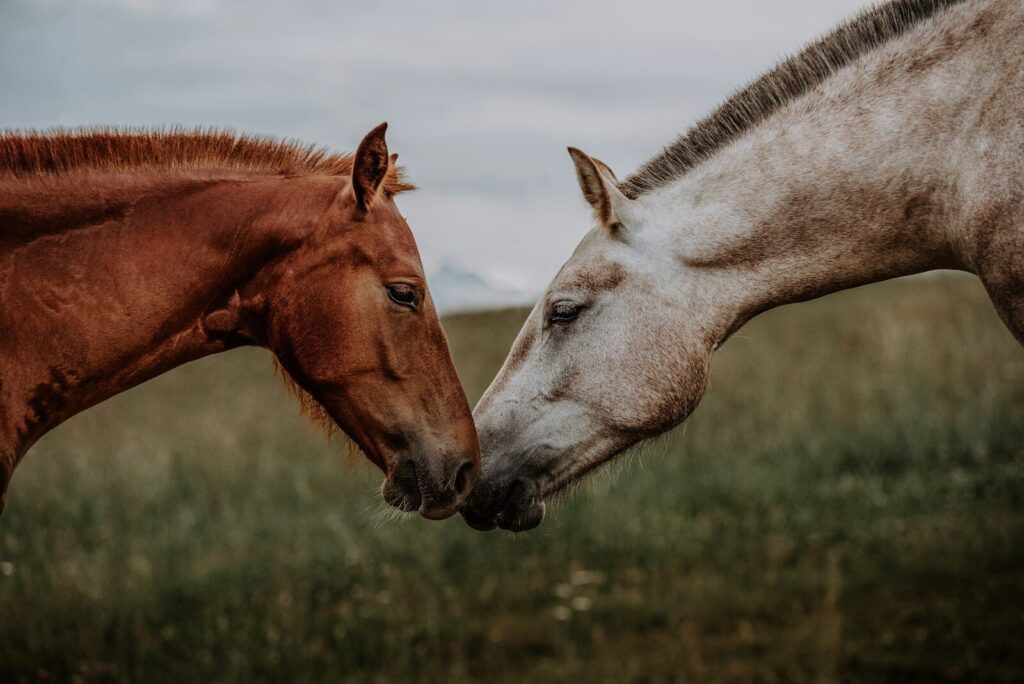
Tips for Buying the Right Horse Feed
When it comes to caring for your horse, choosing the right feed is crucial. The right horse feed supports your animal’s health, helps maintain its energy levels, and ensures it has the nutrients needed for optimal performance. Here are some practical tips to guide you in selecting the best feed for your horse.
Understand Your Horse’s Nutritional Needs
Every horse has unique nutritional requirements based on factors like age, weight, activity level, and overall health. It’s essential to evaluate these needs before making a purchase. For example:
- Age: Young horses may need a higher protein intake for growth.
- Activity Level: Active horses often require more calories and energy-dense feeds.
- Health Conditions: Horses with specific conditions, like laminitis or metabolic syndrome, may require specialized diets.
Consult a Veterinarian or Equine Nutritionist
Getting professional advice can be invaluable. A veterinarian or an equine nutritionist can assess your horse’s individual needs and suggest the best feed options. They can also help identify any deficiencies in your horse’s diet and recommend supplements if necessary.
Unlock Your Free Equine Care Toolkit
Take the guesswork out of feeding and weight management.
Choose Quality Ingredients
The ingredients listed on the feed bag are significantly important. High-quality horse feed should primarily consist of:
- Forage: Such as hay or pasture, which provides essential fiber.
- Grains: Like oats, barley, or commercial mixes that offer energy.
- Supplements: Vitamins and minerals to enhance overall health.
Avoid feeds with cheap fillers like corn or soy, as these can lead to poor digestion and health issues.
Read the Label Carefully
Before purchasing horse feed, read the label thoroughly. Look for the following:
- Nutritional Analysis: Check the levels of protein, fat, fiber, vitamins, and minerals.
- Ingredient List: This should be clear and include quality components.
- Feeding Instructions: Understand how much to feed based on your horse’s weight and needs.
This information helps ensure that you’re providing a balanced diet.
Consider Your Feeding Schedule
The feeding routine can impact your horse’s digestive health. Horses have sensitive stomachs and thrive when fed small amounts frequently. Aim to feed your horse several times a day. When introducing new feed, do it gradually to avoid digestive upset.
Evaluate Your Budget
Quality horse feed can be an investment. While it’s tempting to go for cheaper options, remember that quality often translates to better nutrition and health. Determine your budget and choose a feed that provides the best value for your horse’s health without compromising on quality.
Conduct Regular Assessments
Your horse’s needs may change over time due to age, health issues, or changes in training routines. Regularly check your horse’s condition by assessing its weight, coat quality, and energy levels. If you notice any changes, it may be time to adjust its feed accordingly.
Seeking Additional Resources
Don’t hesitate to explore resources that can help you make informed decisions. Books on equine nutrition, online courses, and equine health forums can provide valuable insights into horse feeding practices. Furthermore, local feed stores often have knowledgeable staff who can assist with recommendations tailored to your area and your horse’s lifestyle.
Unlock Your Free Equine Care Toolkit
Take the guesswork out of feeding and weight management.
By following these tips, you can make educated choices regarding your horse’s feed. Providing the right nutrition will not only enhance your horse’s performance but also contribute positively to its longevity and quality of life. Remember, a well-fed horse is a happy horse!
Understanding Nutritional Needs of Different Horse Breeds
Understanding the nutritional needs of various horse breeds is vital for ensuring their health, performance, and longevity. Since different breeds have unique characteristics and purposes, their dietary requirements can vary significantly. By tailoring your horse’s diet to its breed-specific needs, you can enhance its well-being and performance.
First and foremost, it is essential to recognize that horses, regardless of breed, are herbivores. This means their diet should primarily consist of forage like grass and hay. However, the quantity and type of forage, combined with concentrates and supplements, will depend on your horse’s breed, age, activity level, and health status.
Different Breeds, Different Needs
Here’s an overview of how the nutritional needs differ across popular horse breeds:
- Thoroughbreds: These racing horses require a high-energy diet to support their stamina and performance. They benefit from a mix of carbohydrates, proteins, and fats. A diet rich in quality hay, alongside grains and pellets designed for competition, is recommended.
- Arabians: Known for their endurance, Arabians need a balanced diet that supports long-lasting energy. They thrive on high-quality forages, with a focus on lower-starch grains. Be mindful of their susceptibility to metabolic issues; thus, it’s crucial to maintain a stable diet without excessive grain intake.
- Draft Horses: These large breeds, such as Percherons and Clydesdales, have unique needs due to their size and weight. They require substantial amounts of forage to maintain their weight and energy levels. A combination of hay, grass, and grain with higher fiber content will be advantageous for their digestive systems.
- Quarter Horses: Favored for their versatility, Quarter Horses need a balanced diet that supports their varied activities. They do best with a mix of good quality hay and grain, allowing for a focus on muscle maintenance and energy without excessive fat.
- Ponies: Smaller breeds often have different needs than larger horses, particularly concerning calorie intake. Ponies can be prone to obesity, so their diet should be moderate. Focus on low-calorie hay and limit sugary grains. This approach helps maintain a healthy weight and prevents metabolic syndromes.
Key Nutritional Components
When choosing the right feed for your horse, consider some essential nutritional components:
- Fiber: Vital for a healthy digestive system, fiber comes primarily from hay and pasture. Ensure that your horse’s diet includes enough fiber to promote gut health.
- Proteins: Important for muscle development and repair, proteins can be found in hay, grains, and commercial feeds.
- Vitamins and Minerals: Essential for overall health, adequate levels of vitamins A, D, E, and B-complex, alongside minerals such as calcium and phosphorus, must be included in your horse’s diet.
- Water: Always ensure your horse has access to fresh, clean water. Hydration directly impacts metabolic functions and performance.
Recognizing Specific Needs
Each horse is unique, so it’s crucial to tailor their diet according to their specific needs:
- Age: Young horses, adults, and seniors all have different nutritional requirements.
- Health Status: Horses with medical conditions may require specialized diets, such as lower carbohydrates or higher fiber options.
- Activity Level: Performance horses in training need more calories compared to those that are retired or lightly exercised.
Keep in mind that gradual changes in diet are essential. Sudden adjustments can lead to digestive issues. Always introduce new feeds slowly, allowing your horse’s digestive system to adapt. Consulting with a veterinarian or equine nutritionist can provide tailored advice to ensure your horse receives the best nutrition according to its breed. Taking these steps can lead to a healthier, happier horse that thrives both physically and mentally.
The Role of Forage in a Balanced Diet for Horses
When considering your horse’s diet, forage plays a vital role in ensuring a balanced and healthy nutrition plan. Understanding the significance of forage is essential for every horse owner aiming to provide the best care for their equine friend.
Forage is primarily made up of grasses and legumes, which are high in fiber. This fiber is important for your horse’s digestive system, as it promotes proper gut function and encourages normal chewing behavior. Generally, hay is the most common form of forage, and its quality can significantly affect your horse’s health. So, choosing the right type is crucial.
Unlock Your Free Equine Care Toolkit
Take the guesswork out of feeding and weight management.
One of the main reasons forage is necessary in a horse’s diet is its ability to maintain a healthy digestive system. Horses are designed to graze throughout the day, consuming small amounts of forage continuously. When you provide your horse with ample access to quality forage, you help prevent digestive disorders such as colic and ulcers. A consistent intake of fiber ensures that the digestive tract remains active and supportive of gut health.
Quality forage can also impact your horse’s dental health. Chewing forage requires significant effort and keeps your horse’s teeth healthy by preventing issues like teeth deterioration over time. Proper dental care is important, and incorporating adequate forage into their diet promotes natural wear on their teeth.
It’s essential to know that not all forages are created equal. Here are some key factors to consider when selecting forage for your horse:
- Type of Grass or Legume: Different types of hay provide varied nutritional content. For instance, alfalfa hay is higher in protein and energy compared to timothy grass hay. Depending on your horse’s age, activity level, and health needs, you may choose one over the other.
- Quality: Always inspect the hay for signs of mold, dust, or weeds. Fresh, green forage with a sweet smell indicates high quality. On the other hand, brown, dusty hay may suggest it has lost its nutritional value.
- Storage: Proper storage methods influence forage quality. Store hay in a cool, dry place away from sunlight to prevent spoilage and retain its nutrients.
Besides its physical benefits, forage also impacts your horse’s behavior. A horse with consistent access to quality forage will generally be calmer and more content than one without. This is largely because continuous grazing mimics their natural behavior, reducing stress and anxiety.
Introducing forage into your horse’s routine should be done gradually, especially if transitioning from a grain-heavy diet. Sudden changes can lead to digestive upset, so do it slowly over several days. Start by mixing small amounts of forage with their existing feed, gradually increasing the quotient.
Some horse owners may wonder how much forage to provide. A common guideline is to feed at least 1.5% to 2% of your horse’s body weight in forage daily. For instance, a 1,000-pound horse would require 15 to 20 pounds of forage each day. However, consider your horse’s individual needs, including their size, breed, and workload.
When feeding forage, ensure it is your horse’s primary source of nutrition. While grains and supplemental feeds may be necessary under certain circumstances, they should not replace forage, as an imbalanced diet can lead to numerous health issues. Regularly monitor your horse’s condition and consult with a veterinarian or an equine nutritionist for personalized guidance.
Forage is more than just filler in your horse’s diet; it serves multiple roles critical to maintaining health and wellness. From improving digestive health to supporting dental health and fostering good behavior, implementing the right type of forage is a smart move. Make it a priority to evaluate your horse’s dietary needs and tailor their forage to support their overall health.
Common Mistakes to Avoid When Selecting Horse Feed
Choosing the right horse feed is crucial for maintaining your horse’s health and performance. However, many horse owners make common mistakes that can lead to nutritional deficiencies or unwanted weight gain. Here are some pitfalls to avoid when selecting feed for your equine companion.
Neglecting Individual Needs
Every horse is unique, and their nutritional needs can vary significantly based on age, activity level, breed, and health status. A common mistake is using a one-size-fits-all approach. Make sure to assess your horse’s specific needs before choosing a feed type. Gather details about:
- Age and life stage (foal, adult, senior)
- Level of activity (idle, light work, intense training)
- Health issues (metabolic disorders, allergies)
Ignoring Feed Labels
Feed labels contain essential information about the product’s nutritional content. Many people overlook this vital source of information. Always read labels to find out key factors like:
- Crude protein levels
- Fiber content
- Minerals and vitamins
Look for feeds that meet your horse’s specific nutritional requirements. Make informed decisions instead of relying solely on brand reputation or anecdotal advice.
Inadequate Research on Ingredients
Some owners may not fully understand the ingredients listed in their horse feed. It’s essential to do your homework on these components and their nutritional value. For instance:
- Grains such as oats and corn provide energy but are low in fiber. Consider your horse’s digestive health.
- By-products can be nutritious but should not be the primary ingredient in high-quality feeds.
Researching ingredients helps you choose feeds that align with your horse’s dietary needs.
Overlooking Digestive Health
The horse’s digestive system is sensitive. Choosing a feed that is high in starch can lead to digestive issues. Avoid high-starch feeds unless specifically formulated for your horse’s workload. Focus on:
- High-fiber options, such as hay and pasture
- Low-starch feeds that are better for gut health
Pay close attention to any signs of digestive discomfort, like changes in appetite or behavior.
Making Sudden Feed Changes
Sudden changes in diet can upset your horse’s stomach. If you decide to switch feeds, do so gradually. This can help prevent colic or other digestive issues caused by dietary changes. A good rule of thumb is to transition your horse over 7 to 10 days, mixing the new feed with the old in increasing proportions.
Failing to Monitor Weight and Condition
Regularly assess your horse’s weight and overall condition. Many owners forget to monitor this vital aspect. Use a scale or body condition scoring to evaluate whether your horse is gaining or losing weight. Adjust the feed type or quantity accordingly. It’s better to manage your horse’s diet proactively than to wait for problems to arise.
Inconsistent Feeding Schedule
Horses thrive on routine. Inconsistencies in feeding time can lead to behavioral issues and digestive problems. Establish a regular feeding schedule and stick to it as closely as possible. This not only improves your horse’s health but also builds trust and comfort.
Not Consulting a Professional
Don’t hesitate to consult a veterinarian or an equine nutritionist when in doubt about your horse’s diet. They can offer personalized recommendations based on your horse’s needs and your budget. Their expertise can save you time, money, and ensure your horse receives a balanced diet.
Choosing the right horse feed requires careful consideration and ongoing assessment. By avoiding these common mistakes, you’ll be well on your way to ensuring your horse maintains optimal health and performance. Take the time to research and consult with professionals to create the best feeding plan for your equine friend.
Evaluating Feed Labels: What You Need to Know
When you walk into a feed store, you might be overwhelmed by various horse feed options. Evaluating feed labels carefully is essential to choosing the best nutrition for your horse. Understanding what these ingredients mean and the nutritional values is crucial for your horse’s health and performance. Here’s what you need to know.
The Importance of Ingredient List
The ingredient list on horse feed labels reveals a lot about what your horse will consume. Here’s a breakdown:
- Primary Ingredients: The first few items listed are the most important and make up the majority of the feed. Look for high-quality sources of protein, fiber, and carbohydrates.
- By-Products: Ingredients labeled “by-products” can vary in quality. It’s best to steer clear of feeds heavily reliant on by-products.
- Artificial Additives: Some feeds contain artificial flavors or colors, which may not be beneficial for your horse. Choose feeds with natural ingredients when possible.
Nutritional Analysis Matters
A critical aspect of evaluating feed labels is understanding the guaranteed analysis. This section provides information on the nutritional contents, usually expressed as percentages. The key components to look for include:
- Crude Protein: Essential for muscle development and repair. Horses in training or those with high energy needs require a higher protein percentage.
- Crude Fat: A concentrated energy source. Higher fat levels can benefit performance horses, providing a longer-lasting energy source.
- Crude Fiber: Important for digestive health. Look for a balance that supports your horse’s dietary needs, especially for those prone to colic.
- Moisture: This indicates the amount of water in the feed. A high moisture content can affect storage and shelf life.
Analyzing Added Supplements
Many horse feeds contain added vitamins and minerals. While these are beneficial, it’s essential to evaluate their effectiveness:
- Vitamin A and E: Necessary for immune health and vision. Make sure the levels are adequate for your horse’s needs.
- Minerals: Calcium and phosphorus ratios are critical. Ensure these are balanced for optimal bone health.
- Probiotics: These can aid digestion, especially in stressed or performance horses. Their inclusion can be a significant advantage.
Consider Your Horse’s Needs
When choosing horse feed, always consider your horse’s age, activity level, and any health issues. For instance:
- Young Horses: Require higher protein and calories for growth.
- Performance Horses: Need energy-dense feeds with higher fat content and quality ingredients.
- Senior Horses: Often require softer feeds that are easier to chew and digest.
- Special Needs: Horses with certain conditions like laminitis may need special low-sugar diets.
Feeding Trials and Brand Reputation
Before committing to a particular horse feed, consider the brand’s reputation and its commitment to quality:
- Feeding Trials: Look for brands that conduct feeding trials to back up their claims about their feed’s effectiveness.
- Brand Transparency: Reliable companies should be transparent about their ingredient sourcing and manufacturing processes.
Storage and Usage Recommendations
Even the best feed can lose its efficacy if not stored correctly. Pay attention to storage instructions on the label. Ensure you keep feed in a cool, dry place away from pests and moisture, as this affects its quality. Additionally, follow any usage recommendations provided to ensure that you give your horse the full benefits of the nutrients available in the feed.
Evaluating feed labels can be a daunting task, but breaking down the components makes this process more manageable. With a few key tools and knowledge under your belt, you can ensure that your horse receives the best nutrition tailored for their unique needs.
Conclusion
Choosing the right horse feed is essential for ensuring the health and performance of your equine companion. By understanding the specific nutritional needs of different horse breeds, you can make informed decisions that cater to their unique requirements. Always remember that forage plays a critical role in a balanced diet, providing necessary fiber that supports digestion and overall well-being.
As you navigate the selection process, be cautious of common mistakes such as choosing feeds based solely on price or appearance. A careful evaluation of feed labels is crucial; look for high-quality ingredients and avoid products with fillers that offer little nutritional value.
Taking the time to educate yourself on these aspects will greatly benefit both you and your horse. With the right knowledge and considerations, you’ll be able to select horse feed that not only meets nutritional standards but promotes optimal health and performance. Prioritizing quality feed will lead to happier, healthier horses, ensuring they can thrive in whatever activities you enjoy together. Your commitment to making the best choices for your horse will pay off in the long run, fostering a strong bond through their vitality and well-being.