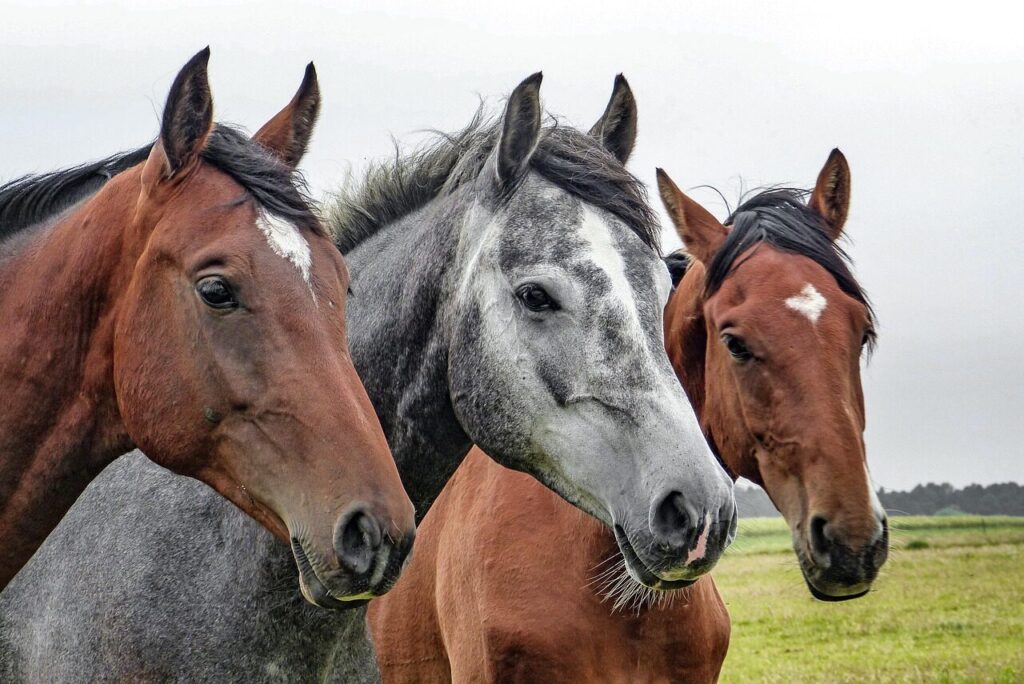
Managing Laminitis Risk Through Diet: Key Nutritional Strategies
Managing laminitis risk is crucial for the health of your horse, and one of the best ways to do this is through careful dietary adjustments. Understanding how food impacts the risk of this painful condition can make a significant difference in your horse’s life. Here are some key nutritional strategies to help you effectively manage laminitis risk through diet.
Focus on Low-Carbohydrate Feeds
High carbohydrate intake can increase the risk of laminitis, particularly from lush pastures or grain-heavy diets. Opting for low-carbohydrate feeds can help maintain your horse’s insulin levels and overall health. Consider the following feed options:
- Hay: Choose mature, grass hays instead of clover or alfalfa hays.
- Low-sugar feeds: Search for feeds specifically labeled as low in sugar and starch.
- Pelleted feeds: These often offer a more controlled carbohydrate intake compared to traditional grains.
Introduce Forage Gradually
If you’re changing your horse’s diet or introducing new forage, do so gradually. Abrupt changes can cause digestive upset and may lead to increased insulin levels, elevating laminitis risk. A good rule of thumb is to change their diet over a week, slowly increasing the new forage while decreasing the old one.
Unlock Your Free Equine Care Toolkit
Take the guesswork out of feeding and weight management.
Maintain Healthy Body Weight
Obesity in horses is a significant risk factor for laminitis. Therefore, managing your horse’s weight is essential. Keep an eye on their body condition score (BCS). Aim for a score between 5 and 6 on a scale of 1 to 9. Here are strategies to maintain a healthy weight:
- Regular exercise: Ensure your horse has a proper exercise routine to burn off excess calories.
- Monitor feeding amounts: Control the portions of hay and grain you’re offering. Measure feed to avoid overfeeding.
- Restrict grazing: Limit time on lush pastures or use grazing muzzles to reduce pasture intake.
Supplement Wisely
Some supplements can help support laminitis management. Consult your veterinarian before adding anything new to your horse’s diet. Here are a few popular options:
- Biotin: This can improve hoof health, potentially reducing issues related to laminitis.
- Chromium: Known to help with insulin sensitivity, chromium supplementation may aid in reducing laminitis risk.
- Omega-3 fatty acids: These can help reduce inflammation, providing additional support for horses prone to laminitis.
Provide Consistent Feeding Times
Consistency in feeding times can also help manage your horse’s insulin levels. Horses thrive on routine, and providing their feed at the same time each day can help regulate their metabolism. Aim for at least two meals a day, spaced evenly, to promote digestive health and manage weight.
Monitor and Adjust Diet Based on Seasonal Changes
Understanding the seasonal changes affecting your horse’s diet is essential. In the spring and early summer, pastures can be richer and more lush, increasing sugar levels. During these times, assess how much time your horse spends grazing and be proactive in restricting access to high-sugar forage. Consider feeding hay before allowing them access to pasture, as this can help fill them up and reduce the intake of high-sugar grass.
Understand the Role of Hydration
Water plays a crucial role in your horse’s overall health and can affect laminitis risk. Make sure your horse has constant access to clean, fresh water. Dehydration can lead to digestive problems, compounding issues associated with laminitis. Encourage your horse to drink by providing water at a comfortable temperature and ensuring it’s clean.
By taking these dietary measures, you can significantly reduce the risk of laminitis in your horse. Focus on maintaining a balanced, low-carbohydrate, and nutritional diet while regularly monitoring their weight and condition. Remember, a healthy horse is a happy horse, so investing in their dietary needs pays off in the long term.
Understanding the Role of Sugar and Starch in Equine Diets
Understanding the dietary needs of horses is crucial for their overall health and performance. A balanced equine diet includes a careful consideration of sugar and starch levels, as these components have a significant impact on a horse’s metabolic functions. As a horse owner or caretaker, knowing how sugar and starch influence your horse’s health can lead to better diet choices and ultimately enhance the well-being of your equine companion.
In the horse’s diet, sugars and starches are primary carbohydrates. They serve as essential energy sources, but their effects can vary significantly depending on the horse’s individual needs and conditions. For instance, horses that engage in high-intensity activities require more energy and can tolerate higher levels of these carbohydrates. In contrast, horses with metabolic disorders, such as laminitis or insulin resistance, must have their sugar and starch intake carefully managed to prevent health issues.
Unlock Your Free Equine Care Toolkit
Take the guesswork out of feeding and weight management.
What Are Sugars and Starches?
Sugars are simple carbohydrates that are quickly digestible. They can be found in various feeds, such as grass or grains. Starches, on the other hand, are complex carbohydrates that require more time and effort for digestion. Both sugars and starches contribute to a horse’s energy supply, but how they affect the body depends on the quantity consumed and the horse’s specific health conditions.
Effects of Excess Sugar and Starch
Feeding your horse too many sugars and starches can lead to several health problems. Some of the most common issues caused by excessive intake include:
- Laminitis: A painful condition affecting the hooves that can arise when the horse’s body is overloaded with sugars. This can be particularly dangerous for horses that are prone to metabolic issues.
- Obesity: Overconsumption of calories can lead to excess weight, putting additional strain on a horse’s joints and overall health.
- Insulin Resistance: Similar to diabetes in humans, it’s a condition that affects the horse’s ability to manage sugar levels in the bloodstream.
How to Manage Sugar and Starch Intake
To keep your horse healthy, it’s essential to manage their sugar and starch intake effectively. Here are some strategies you can implement:
- Choose Low-Sugar Feeds: Opt for horse feeds that are specifically formulated to be low in sugar and starch. Look for forage-based diets that provide essential nutrients without excessive carbohydrates.
- Limit Grain-Based Feed: While grains can boost energy, they are often high in starch. If your horse doesn’t require extra energy, consider reducing grain or replacing it with alternatives such as hay or pasture.
- Monitor Body Condition: Regularly assess your horse’s weight and body condition score (BCS). Adjusting their diet based on their body condition can help maintain optimal health.
- Gradual Dietary Changes: Introduce dietary changes slowly to prevent digestive upset. Abrupt changes can lead to colic or other digestive issues.
Recognizing Individual Needs
Each horse is unique, and dietary needs can vary based on factors such as age, activity level, and overall health. Older horses, for example, may need higher fiber diets, while younger, more active horses may thrive on higher-energy feeds. Assessing your horse’s lifestyle will help you make informed choices about their carbohydrate intake.
Additionally, it’s essential to engage with a veterinarian or equine nutritionist. They can provide tailored advice based on your horse’s health status and dietary preferences. Collaboration ensures that you’re meeting their nutritional needs effectively while managing any potential health risks associated with sugar and starch.
Understanding the role of sugar and starch in your horse’s diet is imperative in maintaining their good health. By evaluating their unique needs and making informed dietary choices, you can support their performance and quality of life. Always keep in mind that too much of a good thing can lead to severe consequences, especially when it comes to carbohydrates. With the right guidance and careful management, you can help your horse flourish on a healthy diet that supports their well-being.
The Impact of Forage Quality on Laminitis Risk
Forage is a critical component of a horse’s diet and plays a significant role in overall health. One of the most pressing issues related to equine health is laminitis, a painful condition that can lead to severe complications. Understanding how forage quality impacts laminitis risk is essential for horse owners and caretakers looking to manage this potentially devastating condition.
The connection between forage quality and laminitis stems from how horses metabolize carbohydrates. High-quality forage is rich in fiber and lower in non-structural carbohydrates (NSC). When the NSC content in forage is too high, it can lead to an overload of sugars in the horse’s system, increasing the risk of laminitis. Choosing the right types of forage is vital to minimize this risk.
There are various types of forage available, including hay, pasture grass, and haylage. It’s important to select forage that has the right nutritional content:
Unlock Your Free Equine Care Toolkit
Take the guesswork out of feeding and weight management.
- Hay or grass with lower NSC levels generally comes from mature plants.
- Legume hays, such as alfalfa, tend to be higher in protein but can also have higher NSC levels if harvested at a young stage.
- Timothy and other mixed grass hays are often preferable due to their balanced nutrient profile.
Evaluating forage for quality extends beyond just the fiber and carbohydrate content. Color, smell, and texture can also indicate freshness and overall quality:
- Color: Fresh forage should be bright green. Dull or brown forage is often a sign of age or poor storage conditions.
- Smell: Good quality forage has a sweet, pleasant scent. Musty or moldy odors indicate spoilage.
- Texture: Forage should be clean and free from dust, dirt, or contaminants.
In addition to selecting high-quality forage, managing the amount fed is equally important. Overfeeding can lead to excess calorie intake, which can further exacerbate laminitis risk:
- Monitor your horse’s body weight and adjust forage quantity accordingly.
- Consider implementing a grazing schedule if your horse is on pasture to reduce the chances of overconsumption.
The time of year can also influence forage quality. During spring and early summer, grasses can be lush and high in sugar content. It is crucial to prevent overgrazing during these peak growth months. By controlling access to pasture and providing hay during these times, you can protect your horse from fluctuations in sugar levels.
Supplementing forage with additional nutrients can also aid in managing laminitis risk. If the forage is low in essential vitamins and minerals, consider adding a balanced supplement. However, be cautious with high-starch and high-sugar supplements, as these can contribute to laminitis risk.
Watering your forage can be another effective method to combat sugar overload. Wetting hay before feeding can reduce sugar content significantly. However, ensure it’s done correctly, as overly damp hay can lead to mold.
Always pay attention to your horse’s behavior and physical condition. Signs of discomfort, laminitis, or related issues should prompt immediate consultation with a veterinarian. They can provide guidance on diet and help design a feeding plan that prioritizes health and minimizes laminitis risk.
The quality of forage you provide to your horse directly impacts laminitis risk. By selecting appropriate types of forage, monitoring intake, and considering seasonal changes, you can create a safer dietary environment for your equine friend.
Remember, each horse is unique and may require individual dietary adjustments. Consult with your veterinarian or an equine nutritionist to tailor the best feeding practices for your horse’s specific needs.
Supplements and Their Benefits in Preventing Laminitis
Laminitis is an insidious condition that can affect horses, ponies, and donkeys, often leading to severe pain and potential long-term damage. Preventing laminitis through supplements is a proactive approach that many horse owners consider. Supplements can play a crucial role in managing a horse’s health, especially for those at risk of laminitis. Understanding the benefits of these supplements will help you make informed decisions to support your equine friend.
When it comes to supplements for preventing laminitis, certain nutrients and compounds stand out. Here’s a list of key supplements and their associated benefits:
- Magnesium: Magnesium is essential for regulating insulin levels. By managing insulin sensitivity, it helps reduce the risk of laminitis, particularly in horses prone to metabolic disorders.
- Omega-3 Fatty Acids: Found in flaxseed oil or fish oil, omega-3 fatty acids reduce inflammation. These essential fats can support overall health and help combat the inflammatory responses associated with laminitis.
- B Vitamins: These vitamins play a crucial role in metabolism. Supplementing B vitamins can aid your horse’s energy production and help maintain healthy hoof structure, reducing the risk of laminitis.
- Probiotics: Probiotics support gut health, which is important in nutrient absorption. A healthy gut flora can improve digestion and help manage weight, both of which are vital for laminitis prevention.
- Biotin: This supplement is known for strengthening the hoof wall and ensuring healthier hooves. Strong hooves can support better overall hoof health and decrease the risk of laminitis.
In addition to individual supplements, many horse owners find success with herbal blends that target metabolic health. For example, some herbs, like cinnamon, can help support insulin sensitivity. Others, like dandelion, promote digestive health, giving your horse a holistic approach to laminitis prevention.
The timing and dosage of supplements are crucial for effectiveness. Always consult your veterinarian before starting any new supplement regimen. They can recommend the best types and amounts based on your horse’s specific needs and health history. Your vet may also suggest periodic blood tests to monitor your horse’s levels of certain nutrients, ensuring a tailored approach.
Also, consider the quality of the supplements. Not all brands are created equal. Look for reputable manufacturers that provide third-party testing for their products. This ensures that you are giving your horse high-quality supplements that contain what they claim. Quality matters when it comes to your horse’s health, so choose wisely.
It’s equally important to note that supplements alone cannot guarantee prevention against laminitis. A balanced diet is essential. Ensure your horse receives a well-rounded diet that meets its nutritional needs. Reducing sugar and starch in their feed, and ensuring they get adequate forage can significantly impact their metabolic health and overall wellbeing.
Regular exercise is another essential factor in managing laminitis risk. Maintaining a healthy weight through suitable activity levels reduces strain on the hooves and lowers the likelihood of developing laminitis. Supplements can enhance the effects of exercise and a balanced diet, but they should work as part of a comprehensive care plan.
Monitoring your horse for early signs of laminitis—such as changes in behavior or stance—is critical. If you spot any signs, consult your veterinarian immediately. Early intervention can be key in managing the condition effectively. Pairing vigilant monitoring with a robust preventive approach can significantly decrease the risk of laminitis in your horse.
Incorporating supplements into your horse’s diet can provide many benefits in preventing laminitis. When combined with proper management practices, you can significantly reduce the risk of this painful condition. Your horse deserves the best care possible, and being proactive with diet, supplements, and exercise will contribute to their overall health and happiness.
Creating a Balanced Diet Plan for At-Risk Horses
Creating a balanced diet plan for horses that are at risk of health issues requires careful consideration. Many horses face challenges such as laminitis, obesity, or metabolic disorders. By tailoring their diet, you can significantly lower the risk of these conditions.
Understanding Nutritional Needs
To craft a diet that meets your horse’s specific needs, start by understanding their nutritional requirements. Horses require a mix of:
- Forage: Good quality hay or pasture should make up the bulk of the diet. It provides essential fiber for digestion.
- Concentrates: Grains can be included but should be measured carefully. The focus should be on low-starch options.
- Vitamins and Minerals: Supplementation may be necessary, especially for vitamins A, E, and D, along with calcium and phosphorus.
Choosing the Right Forage
For horses at risk, forage is crucial. Opt for grass hay instead of alfalfa, as it typically has lower protein and sugar content. Test hay for sugar content, as higher sugar levels can contribute to laminitis. Ensure horses have constant access to high-quality forage.
Careful Grain Selection
If your horse requires additional calories from grains, select low-starch and low-sugar options. Examples include:
- Timothy-based grain mixes
- Beet pulp
- High-fiber cubes
When introducing grains, do so gradually to prevent digestive upset. Keep an eye on your horse’s weight and condition as changes are made.
Controlling Sugars and Starch
Monitoring the sugar and starch content in your horse’s diet is critical. Many horses are prone to insulin resistance when they consume too much sugar or starch. The goal should be to keep the total non-structural carbohydrate (NSC) levels low, ideally below 10%. Always read product labels to ensure that you know what you are feeding.
Supplement Wisely
Some horses benefit from dietary supplements that support metabolic health. Common supplements include magnesium, chromium, and omega-3 fatty acids. Before adding supplements, consult with an equine nutritionist to determine what is necessary and beneficial for your horse’s condition.
Meal Frequency and Portion Control
Horses thrive on routine, so establish a feeding schedule that suits their needs. It’s often beneficial to feed smaller, more frequent meals rather than one or two large ones. This method helps control blood sugar levels and also aids digestion. When feeding, ensure that portion sizes are appropriate for their weight and activity level.
Monitoring Body Condition
Keep a close watch on your horse’s body condition. Regularly assess their weight using a weight tape or body condition score. If your horse begins to gain weight, it may be necessary to adjust their feed ration. Maintaining a healthy weight is pivotal in managing the risk of laminitis and other health issues.
Environmental Factors
While diet is critical, environmental factors also play a role in managing health risks. Ensure your horse has a clean, safe space to graze and exercise. Limit their access to lush pastures, especially during peak sugar times in the early morning or late afternoon.
Regular Veterinary Care
Having a good relationship with your veterinarian is essential. Regular veterinary check-ups can help catch potential issues before they become serious. Discuss your horse’s diet and any concerns you may have. Your vet can guide you in making necessary dietary adjustments based on your horse’s specific health status.
Creating a balanced diet for at-risk horses involves thoughtful planning and ongoing monitoring. By making informed choices about forage, grains, and portion control, you can significantly decrease the likelihood of health issues. Remember, each horse is unique, and what works for one may not work for another. Engage with professionals to ensure optimal health for your equine companion.
Conclusion
Managing laminitis risk through diet is essential for ensuring the health and well-being of your horse. By understanding the role that sugar and starch play in equine diets, you can take significant steps to reduce the likelihood of this painful condition. Paying close attention to forage quality is equally important, as high-quality forage not only provides essential nutrients but also helps in maintaining a stable digestive system.
Appropriate supplements can greatly enhance your horse’s nutritional profile and offer additional protection against laminitis. Supplements containing magnesium, biotin, and anti-inflammatory properties can all contribute to better hoof health. However, these should be used in conjunction with a balanced diet, designed specifically for horses at risk.
Creating a balanced diet plan involves carefully selecting feed ingredients and monitoring intake. Aim for low-sugar and low-starch options while ensuring that your horse is getting adequate fiber and nutrients from a variety of sources. Regularly consulting with a veterinarian or an equine nutritionist can also provide valuable insights tailored to your horse’s individual needs.
By following these nutritional strategies and being proactive about your horse’s diet, you can significantly lower the risk of laminitis. Remember, a well-managed diet is not just about preventing laminitis but also about fostering overall health, vibrancy, and longevity in your equine companion. Your attention to diet today can pave the way for a healthier future for your horse.