
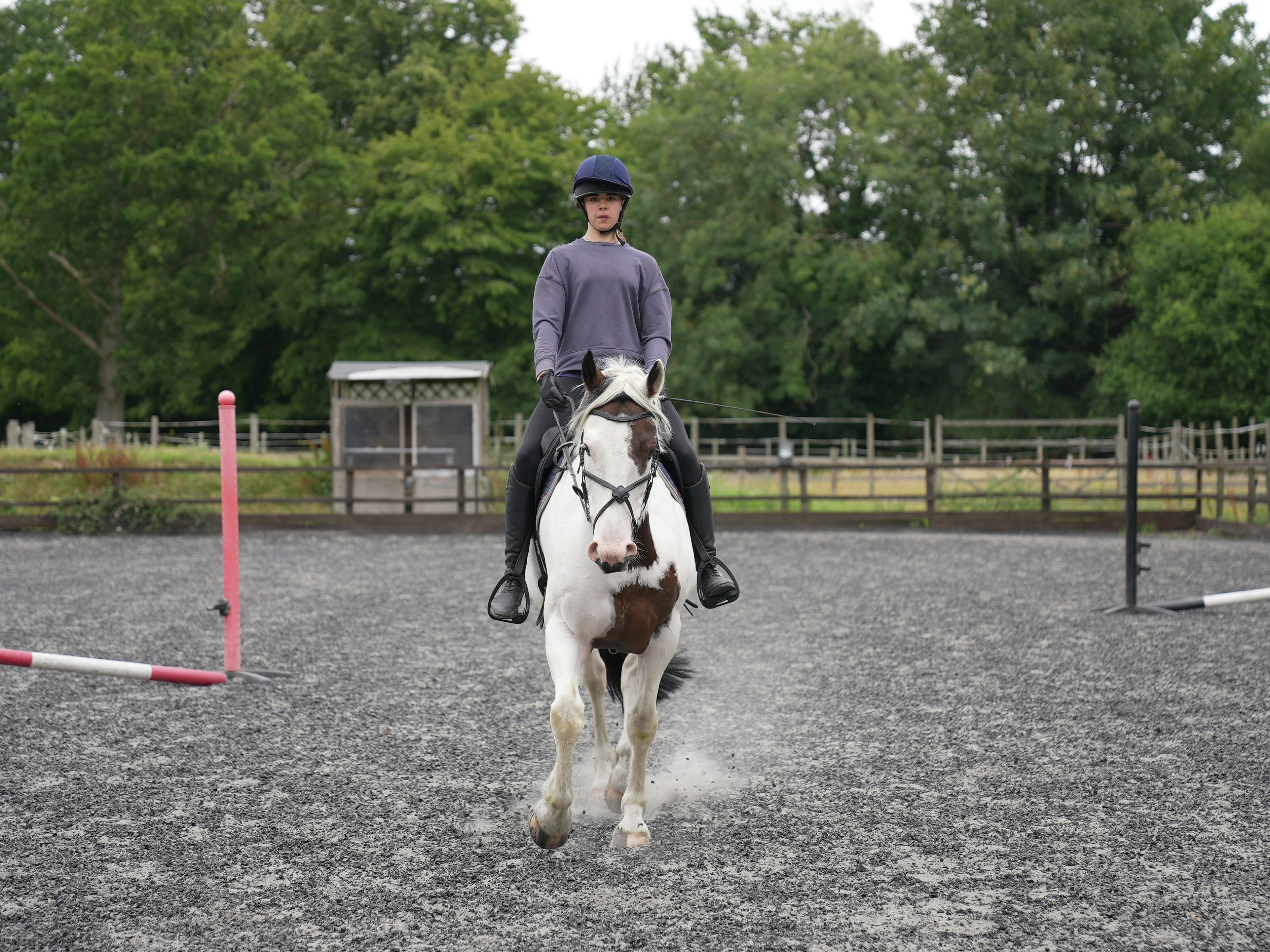
Understanding Horse Behavior and Communication
To develop a successful partnership with a horse, it is crucial to understand the nuances of horse behavior and communication. Horses are prey animals and possess a heightened awareness of their surroundings, allowing them to respond to potential threats swiftly. This instinct serves as the foundation for their reactions and interactions with both their environment and human caretakers.
One of the most effective ways horses communicate is through body language. Horses use a combination of movements, postures, and expressions to convey their feelings and intentions. For instance, a horse with its ears pinned back may be expressing irritation or discomfort, while a relaxed position with ears forward signifies curiosity or contentment. Recognizing these visual cues is essential for determining how a horse is feeling and can help prevent misunderstandings.
Additionally, observing a horse’s tail movements can reveal its emotional state; a swishing tail often indicates annoyance or agitation, whereas a softly held tail suggests calmness. Understanding these signals is a critical aspect of horse behavior that allows riders to respond appropriately, ensuring both the horse’s and rider’s safety.
Unlock Your Free Equine Care Toolkit
Take the guesswork out of feeding and weight management.
Furthermore, identifying signs of stress or discomfort in a horse enables handlers to address issues before they escalate. Horses may exhibit behaviors such as pacing, excessive yawning, or even biting when stressed. It is vital for equestrians to approach horses calmly and confidently, which fosters trust. When interacting with horses, use a soft voice and gentle touch, allowing the horse to become familiar with your presence.
In conclusion, grasping the basics of horse behavior and communication creates a solid foundation for a rider-horse relationship. By being observant and responsive, equestrians can create a more harmonious and rewarding experience in the saddle.
Essential Horse Riding Gear and Equipment
When embarking on your horse riding journey, choosing the right gear is imperative for both safety and enjoyment. One of the fundamental pieces of equipment is a riding helmet. A properly fitted helmet protects the rider’s head from potential injuries and is a crucial element for safe riding, as it absorbs impact during falls. It’s important for beginners to prioritize purchasing a certified helmet that meets safety standards.
Another essential piece of equipment is the saddle. The saddle not only provides comfort for the rider but also ensures stability on the horse. Selecting the correct type of saddle is crucial; for instance, English saddles are typically lighter and closer to the horse, while Western saddles offer greater security due to their larger size and design. Beginners should consult experienced riders or professionals to find a saddle that fits both their body and the horse’s back.
Bridles are also significant in horse riding, as they allow the rider to communicate with the horse through pressure on the reins. Different styles, such as snaffles and curbs, suit various riding disciplines. It is advisable to choose a bridle that complements the horse’s comfort and the rider’s needs. Ideally, a beginner should seek help to ensure they select the appropriate bridle.
Finally, riding boots are indispensable, offering necessary protection and support while ensuring optimal grip in the stirrups. A boot with a slight heel helps prevent slipping and enhances safety during rides. When selecting boots, one should consider different materials and styles to find a pair that offers both durability and comfort.
In summary, investing in proper horse riding gear such as helmets, saddles, bridles, and riding boots is essential for safety, comfort, and overall riding experience. Beginners should focus on finding equipment that fits well and meets personal preferences to foster a secure and enjoyable riding journey.
Basic Riding Techniques for Beginners
Embarking on the journey of horse riding can be both thrilling and daunting for a beginner. Understanding the fundamental techniques is crucial in building a solid foundation. One of the first steps in this journey is learning how to properly mount and dismount the horse. Begin by standing on the horse’s left side. Hold the reins firmly, placing your left foot in the stirrup while bringing your right leg over the horse’s back in a smooth motion. To dismount, reverse this process by swinging your right leg back over the horse and gently stepping down.</p>
Unlock Your Free Equine Care Toolkit
Take the guesswork out of feeding and weight management.
Maintaining proper posture while on the horse is equally important for effective riding. Sit upright, with a slight lean forward in alignment with the horse’s movement, ensuring your shoulders are back and your eyes are looking ahead. Engaging your core and keeping your heels down are essential for stability. Adjusting your balance accordingly aids in communicating effectively with the horse through your body movements.</p>
As for the basic commands, they form the language between the rider and the horse. Beginners should focus on learning to communicate through voice commands such as ‘walk’, ‘trot’, and ‘canter’, alongside body cues like squeezing the calves to prompt movement. Different riding styles, such as English and Western, approach these commands with slight variations, which can influence riding techniques. For instance, English riding emphasizes a closer contact with the horse, while Western riding offers a more relaxed posture.</p>
To set the stage for successful riding, engaging in exercises that promote confidence and balance is highly recommended. Practicing on a lunge line, where an instructor controls the horse, can aid beginners in mastering balance without the added pressure of steering. Other exercises could include practicing transitions at a standstill to help familiarize with the horse’s responses, thereby cultivating a harmonious connection that is vital for further learning and enjoyment in horseback riding.</p>
Health and Safety Considerations for Horse Riding
Ensuring health and safety when riding horses is of paramount importance for both the rider and the horse. One of the fundamental aspects of horse riding safety is the appropriate use of riding gear. Riders should always wear a certified riding helmet to protect against head injuries in the event of a fall. Additionally, wearing appropriate footwear, such as riding boots with a smooth sole and a small heel, can help prevent the foot from slipping through the stirrup, thereby reducing the risk of serious injury.
Understanding horse behavior is equally crucial in enhancing safety while riding. Horses are prey animals, which means they can be easily startled. Familiarizing oneself with equine body language and common behavioral signs allows riders to anticipate and mitigate potential risks. For instance, a horse that is pinned ears back or stamping a hoof may indicate discomfort or agitation. By being attentive to these signals, riders can take proactive measures, such as desensitizing the horse to specific stimuli or avoiding crowded environments that may induce anxiety.
Injuries may still occur despite careful precautions, so being equipped with basic first aid knowledge is essential. Common injuries include sprains, bruises, and abrasions. A well-stocked first aid kit—including antiseptic wipes, bandages, and gauze—should be readily available at riding stables or during excursions. In addition, knowing how to treat minor injuries can significantly ease the recovery process. For example, applying ice to a sprained ankle can help reduce swelling and pain effectively.
Beyond addressing safety, horse riding offers numerous health benefits. Engaging in this activity can improve physical strength, coordination, and balance. It fosters a strong bond between rider and horse, which can positively influence mental well-being. Moreover, the rhythmic motion of riding can provide therapeutic benefits, aiding in relaxation and stress relief. Through awareness and adherence to safety practices, riders can greatly enhance their overall experience.