Strategies for Feeding an Underweight Horse: Nutrition Basics
Feeding an underweight horse can be a challenging task, but with the right strategies, you can help your equine friend regain a healthy weight. Nutrition is key to fostering growth, strength, and overall wellbeing. Here are several essential strategies to consider when addressing the nutritional needs of your underweight horse.
Understand Your Horse’s Needs
The first step is to understand your horse’s individual needs. Factors such as age, breed, activity level, and health condition play a significant role in determining the right diet. A young, growing horse may need more calories than an older horse who is more sedentary. Consult with a veterinarian to evaluate your horse’s health and create a tailored feeding plan.
Quality Hay is Essential
High-quality hay serves as the foundation of a horse’s diet. When selecting hay, consider the following:
Unlock Your Free Equine Care Toolkit
Take the guesswork out of feeding and weight management.
- Look for hay that is green, free of mold, and has a fresh smell.
- Choose grass hay or alfalfa hay depending on your horse’s nutritional requirements.
- Aim for hay with appropriate protein and fiber levels to support digestion.
Feeding hay frequently throughout the day will keep your horse’s digestive system happy and help in weight gain.
Incorporate Concentrates Wisely
Concentrates, such as grains and pelleted feeds, are calorie-dense options that can help your horse gain weight. Here are some guidelines for using concentrates:
- Start with small amounts and gradually increase to avoid upsetting the horse’s stomach.
- Look for high-fat, high-fiber feeds, as they are more calorie-rich.
- Consider adding oil, such as vegetable oil or flaxseed oil, to increase calorie intake.
Introduce Supplements
Sometimes, even with quality hay and concentrates, your horse may need additional nutrients. Supplements can fill any gaps in their diet:
- Protein supplements can aid muscle development.
- Electrolytes can help horses recover from dehydration and exertion.
- Minerals, especially calcium and phosphorus, support bone health.
Before adding supplements, consult your veterinarian to determine the right options for your horse.
Feeding Frequency Matters
Increasing feeding frequency can help with weight gain. Instead of two large meals, try feeding smaller portions more often throughout the day. This strategy prevents colic and encourages better digestion. Gradually adjust feeding schedules to suit your horse’s routine, aiming for at least three to four meals a day.
Monitor Condition and Make Adjustments
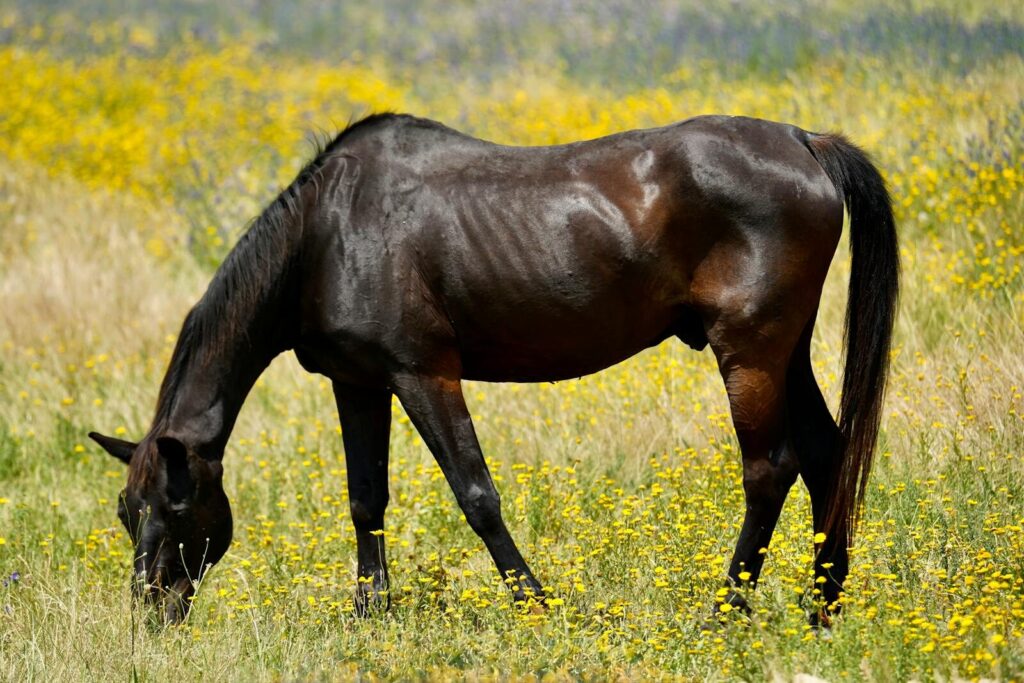
Keep a close eye on your horse’s body condition as you implement these strategies. Use a standard body condition scoring system to evaluate weight changes. Look for visible indicators such as:
- Ribs and backbone visibility.
- Fat cover over the withers and hips.
- Overall muscle tone and body shape.
If you notice no weight gain or if your horse is still underweight, revisit your feeding plan. Adjust the amount of hay, concentrate, or supplements accordingly.
Be Patient and Consistent
Weight gain takes time, and it’s important to remain patient and consistent. Monitor your horse’s progress and continue to communicate with your veterinarian. Regular check-ups will ensure your horse remains on the right track. Establishing a solid feeding strategy will lead to a healthier, happier horse in the long run.
Unlock Your Free Equine Care Toolkit
Take the guesswork out of feeding and weight management.
By implementing these strategies, you can help support the nutritional needs of your underweight horse effectively. Remember, every horse is unique, so personalized care and a dedicated approach will yield the best results.
Identifying the Causes of Weight Loss in Horses
Weight loss in horses can be concerning for owners and caretakers. Understanding the causes is crucial to restoring their health. Many factors can lead to a horse losing weight, and identifying these promptly can make a significant difference in their overall well-being.
Firstly, health issues often contribute to weight loss. Below are some common health-related causes you should watch for:
- Dental Problems: Horses that have dental issues may struggle to chew their food properly, leading to less nutrient intake. Regular dental check-ups are essential for maintaining good oral health.
- Parasites: Internal parasites can rob horses of essential nutrients. A proper deworming schedule is vital to keep these pesky invaders at bay.
- Illness: Diseases such as equine infectious anemia, liver dysfunction, or kidney issues can cause significant weight loss. If you notice any sudden change in weight, consult your veterinarian.
- Infections: Chronic infections can drain a horse’s energy and, consequently, its weight. Keep an eye out for other signs of illness that may indicate an infection.
Next, a horse’s diet plays a pivotal role in maintaining a healthy weight. Suboptimal nutrition can lead to weight loss over time. Consider the following dietary factors:
- Inadequate Forage: Horses need a consistent supply of high-quality forage. If the hay or pasture is poor, your horse may not be getting enough fiber and nutrients.
- Low-Calorie Feed: Not all horse feeds are created equal. A horse that requires more calories but receives low-calorie feed will start losing weight. Select feeds that cater to your horse’s specific energy needs.
- Sudden Diet Changes: Abrupt changes in feed can cause digestive upset. Your horse may refuse to eat, leading to weight loss. Always introduce new feeds gradually.
- Water Availability: Dehydration can lead to weight loss. Ensure that your horse always has access to fresh, clean water.
Environmental factors also play a significant role in a horse’s ability to maintain weight. Consider the following:
- Weather Conditions: Extreme temperatures can affect a horse’s appetite and metabolism. Horses may eat less in the heat or expend more energy to stay warm in the cold.
- Living Conditions: Horses that live in stressful environments or have limited space may become anxious and reluctant to eat. Ensure your horse’s living conditions are calm and spacious.
- Age: Older horses may have different nutritional needs or health issues that affect their appetite. Senior horses often require specialized feeds to maintain their weight.
Behavior can also contribute to weight loss. Be attentive to your horse’s behavior:
- Stress or Boredom: Horses that feel stressed or bored may refuse to eat. Enrich their environment and provide companionship to reduce stress.
- Changes in Routine: Horses thrive on routine. Any changes, such as moving to a new location or alterations in their care program, can affect their eating habits.
Don’t overlook the importance of regular veterinary care. A veterinarian can diagnose underlying health issues, recommend appropriate diet changes, and provide strategies to help your horse gain weight. Regular veterinary check-ups can prevent potential problems before they become severe.
If you suspect your horse is losing weight, observe its condition over time. Take notes about its eating habits, behavior, and any other changes you notice. This information can be invaluable to your veterinarian in diagnosing the issue.
By staying proactive and attentive to your horse’s needs, you can effectively identify the reasons for weight loss. Addressing these causes promptly can lead to a healthier, happier horse.
Unlock Your Free Equine Care Toolkit
Take the guesswork out of feeding and weight management.
Essential Supplements to Boost Your Horse’s Health
Keeping your horse healthy and in top condition is a top priority for any owner. One of the best ways to ensure your equine friend thrives is through proper nutrition, which often includes essential supplements. With the right mix of vitamins, minerals, and other nutrients, you can help boost your horse’s health, energy, and overall well-being.
Different horses have different needs, and understanding which supplements can aid your horse is crucial. Below is an outline of some key supplements to consider, tailored to enhance your horse’s health effectively.
Multivitamins
Just like humans, horses require a variety of vitamins to support their health. Multivitamins provide a comprehensive mix of essential nutrients that assist in maintaining proper bodily functions.
- Vitamin A: Supports vision and immune function. It’s particularly important for horses on hay diets, as they may not receive enough from pasture.
- Vitamin E: Acts as an antioxidant that helps protect cells from damage. It is essential for muscle and nerve functioning.
- B Vitamins: Crucial for energy metabolism and supporting the horse’s nervous system.
Mineral Supplements
Minerals play a vital role in maintaining your horse’s health. They are essential for bone strength, muscle function, and overall metabolic processes. Types of mineral supplements to consider include:
- Calcium and Phosphorus: These minerals are fundamental for bone health and necessary for muscle function.
- Magnesium: Helps with muscle function and can calm anxious horses.
- Zinc and Copper: Essential for immune function, reproductive health, and skin health.
Probiotics
Digestive health is vital for any horse, and probiotics can greatly aid in maintaining a balanced gut. These beneficial bacteria help break down food, enhancing nutrient absorption and reducing the risk of colic and other digestive issues.
- Improves Nutrient Absorption: By maintaining a healthy gut flora, probiotics ensure that your horse gets the most out of their food.
- Supports a Healthy Immune System: A healthy gut contributes significantly to overall health and immunity.
Omega Fatty Acids
Omega fatty acids can have significant benefits for your horse’s health. These essential fats play a role in reducing inflammation, supporting joint health, and enhancing shiny coats.
- Omega-3 Fatty Acids: Found in flaxseed oil, they can help reduce inflammation and promote heart health.
- Omega-6 Fatty Acids: Important for skin health and can be found in various vegetable oils.
Joint Supplements
If your horse is older or engages in strenuous activities, joint supplements can provide necessary support to keep them moving comfortably.
- Glucosamine: Supports joint health and reduces discomfort associated with arthritis.
- Chondroitin Sulfate: Works alongside glucosamine to support cartilage health and joint lubrication.
- MSM (Methylsulfonylmethane): Known for its anti-inflammatory properties, it can also aid in pain relief.
Electrolytes
When horses exert themselves, especially in hot weather, they can lose essential electrolytes through sweat. Replenishing these is vital for maintaining hydration and performance.
- Sodium: Crucial for nerve function and fluid balance.
- Potassium: Helps with muscle function and may reduce fatigue.
- Chloride: Works alongside sodium to maintain hydration levels.
When choosing supplements for your horse, always consult with your veterinarian. They can help you determine what your horse specifically needs based on its diet, workload, and health condition. Additionally, quality matters, so ensure that any supplement you choose is from a reputable source.
With the right supplements tailored to your horse’s individual needs, you can ensure that they remain healthy, active, and ready for whatever challenges lie ahead. Prioritizing your horse’s nutritional health can lead to a happier and more fulfilled life for your four-legged friend.
Assessing Body Condition Score in Horses
Understanding the body condition score (BCS) in horses is crucial for maintaining their health and performance. It’s a straightforward method that helps you evaluate a horse’s weight and body fat, guiding you in making dietary and care decisions. Using a simple numerical scale, you can accurately assess and monitor your horse’s condition over time.
What is Body Condition Score?
Body condition score is a system that rates the amount of fat covering a horse’s body. Typically, the scale ranges from 1 to 9, with 1 indicating an extremely emaciated horse and 9 representing an obese horse. Most horses should ideally fall within a score of 4 to 6, where they appear healthy and fit.
Importance of Assessing Body Condition Score
Regularly assessing your horse’s BCS is vital for various reasons:
- Maintains Health: A proper BCS can help prevent health issues related to obesity, like laminitis or metabolic disorders.
- Performance: For performance horses, being in the right condition impacts endurance, speed, and overall ability to compete.
- Feeding Adjustments: Knowing the BCS helps you tailor your horse’s diet to meet its specific needs.
- Overall Well-being: A healthy body condition contributes to your horse’s happiness and longevity.
How to Assess the Body Condition Score
Assessing your horse’s body condition involves visually inspecting and palpating (feeling) different parts of the body. Here’s how you can do it:
1. Observe Key Areas
Focus on specific areas where fat accumulates:
- Neck: Check if the crest of the neck is smooth and flat or thick and cresty.
- Withers: Feel for the boney structure. In a healthy horse, it should be rounded, not protruding.
- Back: Assess the spine. It should be easily felt but not sharply visible.
- Ribs: You should be able to feel the ribs with slight pressure but not see them.
- Tailhead: The fat area around the tailhead indicates body fat. It should not be saggy or extremely bony.
2. Use the Scale
To score your horse, use the following BCS scale as a guideline:
- Score 1: Extremely thin, with prominent bones and little to no fat.
- Score 2: Very thin, ribs visible, and bony prominence noticeable.
- Score 3: Thin, ribs faintly visible, minimal fat covering.
- Score 4: Moderate, ribs easily felt, some fat cover.
- Score 5: Ideal weight, ribs barely visible, smooth fat cover.
- Score 6: Slightly overweight, fat cover over ribs is noticeable.
- Score 7: Overweight, pronounced fat cover over ribs, thicker neck.
- Score 8: Obese, heavy fat deposits, and thick necks.
- Score 9: Extremely obese, excessive fat everywhere, difficulty breathing.
Tips for Maintaining a Healthy Body Condition Score
Maintaining a healthy BCS involves active management practices:
- Regular Monitoring: Check your horse’s condition every few weeks or at least monthly.
- Adjust Feed Wisely: Tailor the horse’s diet as needed based on your assessment.
- Consult a Veterinarian: For accurate assessments, especially if your horse’s score is concerning.
- Exercise: Ensure your horse gets ample exercise to maintain muscle and healthy weight.
By assessing and understanding body condition scores, you can better cater to your horse’s dietary and health needs. A consistent evaluation allows you to make necessary adjustments, ultimately leading to a happier, healthier horse. Your horse relies on you for its well-being, so take these assessments seriously and act promptly.
Monitoring Weight Gain: Tips for a Healthier Horse
Keeping track of your horse’s weight is crucial for maintaining its overall health. Monitoring weight gain accurately helps you make informed decisions about feeding, veterinary care, and overall management. Here are some effective strategies to help you keep an eye on your horse’s weight and ensure it remains healthy.
Understand Body Condition Scoring (BCS)
Body Condition Scoring is a visual and tactile evaluation of your horse’s fat cover. This system usually ranges from 1 to 9, with 1 being emaciated and 9 being extremely obese. Understanding this scale will help you assess your horse’s weight and condition more accurately. Look for:
- Visible ribs: A BCS of 4 or lower typically indicates your horse is underweight.
- Fat cover: Feel along the back, sides, and tailhead. A lack of adequate fat cover may signal the need for an increased feeding regimen.
- Overall appearance: A healthy horse should appear fit and alert, not sullen or lethargic.
Regular Weighing
To monitor weight gain effectively, you should weigh your horse regularly. Here are some methods to consider:
- Portable scales: Invest in a good quality digital scale that can accommodate your horse. Weigh your horse every few weeks to track changes.
- Weight tape: A weight tape measures girth and calculates weight based on a formula. This is a handy tool that allows for easy measurement without technology.
- Estimation techniques: If you can’t weigh your horse directly, use online calculators that estimate weight based on measurements you take.
Monitor Feeding Regimens
Feeding plays a vital role in your horse’s weight gain. Here are tips to optimize feeding:
- Quality forage: Provide high-quality hay or pasture. Grass high in nutrients will help your horse gain weight more effectively.
- Frequent small meals: Instead of two large meals a day, give your horse several small ones. This helps digestion and absorption of nutrients.
- Supplements: Consider adding high-calorie supplements or grain designed for weight gain. Consulting with a veterinarian can help you choose the right ones.
Exercise and Lifestyle Changes
A balanced exercise program is essential in maintaining a healthy horse. You might think exercise might hinder weight gain, but moderate activities can stimulate appetite and promote muscle growth. Here are some suggestions:
- Consistent exercise routines: Incorporate gentle routines, such as walking or light trotting, to keep your horse fit without burning excessive calories.
- Social interaction: Horses are herd animals. Allow them to socialize as this can help improve their mood, which can, in turn, influence their appetite.
Consult with a Veterinarian
If weight gain remains elusive despite your efforts, consulting with a veterinarian is essential. There may be underlying health issues contributing to the problem. A vet can evaluate:
- Parasite control: Worm infestations can greatly affect weight gain.
- Dental health: Issues with teeth can cause difficulty in chewing and nutrition absorption.
- Metabolic or endocrine disorders: Conditions like Cushing’s disease can affect weight and health.
Record Keeping for Progress Tracking
Establish a routine for documenting your horse’s progress. Keeping track of weight changes, feeding amounts, and any adjustments made in care will not only provide insight into your horse’s health but also help you identify what works best for weight gain. This data becomes invaluable when consulting with your veterinarian.
Taking proactive steps to monitor your horse’s weight can lead to better health outcomes. With consistent attention, a safe feeding strategy, and veterinary support, your horse can transition smoothly into a healthier, stronger condition.
Conclusion
Feeding an underweight horse requires a thoughtful approach that includes understanding nutrition basics, identifying the root causes of weight loss, and providing essential supplements to enhance overall health. By addressing nutritional deficits and incorporating high-quality forage and grains, you can help your horse gain weight effectively. Pay close attention to the signs of weight loss, as they can be indicators of underlying health issues that need to be addressed promptly.
Assessing your horse’s body condition score is vital. This not only informs you of the current situation but also guides your feeding strategy. Regularly monitoring weight gain is equally important. Adjustments may be necessary based on your horse’s progress, and being proactive can help you achieve desired results more efficiently.
Caring for an underweight horse is a journey of patience and commitment. Focus on creating a balanced diet with the necessary vitamins and minerals in addition to the main feed. Remember, gradual weight gain is key, as rapid changes can cause health problems.
With a mindful approach to feeding, supplemented by regular health checks and adjustments based on your horse’s needs, you create a roadmap to improved health and well-being. Your efforts will not only restore your horse to a healthy weight but also enhance its overall quality of life. By prioritizing nutrition and monitoring progress, you play an essential role in your horse’s recovery and happiness.