Safe Weight Reduction Strategies for Ponies
Ponies, with their adorable stature and spirited personalities, often require specific care regarding their weight. Maintaining a healthy weight is critical for their overall wellbeing. If you’re looking for safe weight reduction strategies for ponies, this guide will help you choose the best approach.
Understand Your Pony’s Ideal Weight
Every pony has a unique body type, and knowing the ideal weight for your pony is essential. This will help you determine whether your pony needs to lose weight. To check if your pony is at a healthy weight, consider these tips:
- Feel the ribs: You should easily feel the ribs without excess fat covering.
- Look at the waist: A pony should have a defined waist when viewed from the side.
- Check the hips: The hips should not protrude significantly, suggesting a healthy weight.
Diet Adjustments
Adjusting your pony’s diet is one of the most effective ways to promote safe weight loss. Here are some strategic changes you can consider:
Unlock Your Free Equine Care Toolkit
Take the guesswork out of feeding and weight management.
- Reduce sugary feeds: Choose low-sugar feeds to avoid excessive calories.
- Increase hay quality: Replace high-calorie grains with good quality grass hay or alfalfa.
- Use feeding methods: Use slow feeders to make your pony eat more slowly, promoting better digestion and weight control.
- Watch portions: Measure feed carefully to avoid overfeeding, even if you offer lower-calorie options.
Regular Exercise is Key
Physical activity is just as important as dietary changes when it comes to safe weight reduction. You can implement these effective exercise strategies:
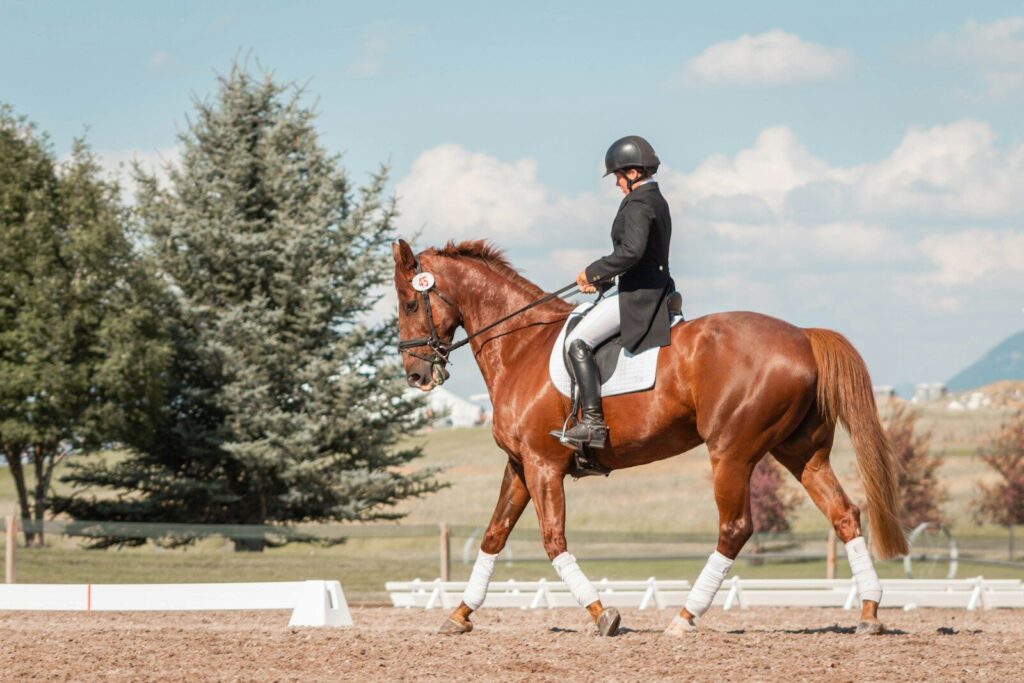
- Regular riding: Incorporate daily riding sessions into your pony’s routine, aiming for at least 30 minutes.
- Ground work: Engage in ground work sessions that challenge your pony both physically and mentally.
- Playtime: Introduce games, such as obstacle courses or trails, to make exercise fun.
Monitor Progress
Keeping track of your pony’s weight loss journey will help ensure you are on the right path. Here’s how to monitor progress effectively:
- Weigh regularly: Use a scale to check your pony’s weight every few weeks.
- Keep a journal: Write down changes in diet, exercise, and weight to identify patterns.
- Adjust plans: Be ready to change your strategy based on progress; if weight loss is too slow or too fast, consult a vet.
Consult a Veterinarian
Before starting any weight reduction program, it’s wise to speak with your veterinarian. They can provide professional insights and help tailor a plan specific to your pony’s needs. Regular check-ups ensure that any underlying health issues are addressed, making safe weight reduction a priority.
Cautions to Consider
As you implement weight reduction methods, be cautious to avoid causing harm. Remember:
- Avoid drastic changes: Sudden diet changes can cause digestive problems; always make gradual adjustments.
- Stay aware of health conditions: Be mindful of any pre-existing health issues, as they may affect your plan.
- Watch for signs: Monitor your pony’s mood and energy levels to ensure they are not being negatively impacted by weight loss efforts.
Safe weight reduction strategies for ponies rely on a mix of proper diet, regular exercise, monitoring progress, and veterinary advice. With patience and the right approach, you can help your pony achieve and maintain a healthy weight while ensuring their happiness and well-being. Prioritize your pony’s health as you embark on this journey!
Recognizing Signs of Obesity in Ponies
When it comes to the wellbeing of ponies, recognizing the signs of obesity is crucial. Obesity can lead to severe health issues, including laminitis, insulin resistance, and overall diminished quality of life. As a responsible pony owner or caretaker, being able to identify the early warning signs can make all the difference in maintaining a healthy lifestyle for your animal.
One of the first indicators of excess weight in ponies is their body condition score (BCS). A standard scale ranges from 1 to 9, with 1 indicating an emaciated pony and 9 illustrating severe obesity. Generally, a healthy BCS for ponies falls between 4 and 6. Here are some key characteristics to help you assess your pony’s condition:
- Ribs: Healthy ponies should have ribs that are not visible but can be felt with light pressure. An obese pony may have ribs that are difficult to feel due to a thick layer of fat.
- Neck: Look for a cresty neck. Excess fat can accumulate along the top of the neck, giving it a rounded appearance rather than a defined, smooth contour.
- Withers: A pony’s withers should be prominent. In an overweight pony, the withers can appear flat and lose definition.
- Fat Deposits: Check along the spine, tailhead, and flanks for deposits. With obesity, these areas may feel soft and bulge rather than being streamlined.
Another clear sign of obesity is a change in the pony’s behavior, particularly in their activity levels. If your pony appears less energetic or becomes reluctant to move, it may be struggling with its weight. Consider watching for the following behavioral patterns:
Unlock Your Free Equine Care Toolkit
Take the guesswork out of feeding and weight management.
- Unwillingness to Exercise: If your pony seems to tire quickly during what was once a normal exercise routine, this can signify excess weight.
- Difficulty in Grooming: Ponies may struggle to reach certain areas of their bodies for grooming. If you notice this, it could be an indication that they are overweight.
- Saddle Fit Issues: An increase in weight can affect how a saddle fits. If you encounter issues with properly fitting your saddle, it’s worth considering whether your pony’s weight has increased.
It’s essential to pay close attention to dietary habits as well. Ponies that are overweight often have access to too much feed, especially rich pastures or concentrates. Here are some dietary signs to consider:
- Increased Appetite: If your pony seems constantly hungry, even after feeding, excessive food intake can contribute to obesity.
- Frequent Hay Access: Constant access to hay, particularly if it’s high in calories, can lead to weight gain.
Another crucial point to consider is the breed of your pony. Certain breeds, such as Shetlands or Haflingers, are more prone to obesity. Therefore, understanding your pony’s breed background can inform your approach to monitoring their health. Ask yourself these questions:
- Is my pony’s breed known for a predisposition to weight gain?
- Are there specific genetic traits that could affect their metabolism?
Regularly scheduling veterinary check-ups is essential. Your vet can provide a professional assessment of your pony’s weight and overall health. During these visits, be sure to discuss any concerns you have about obesity. You can ask your veterinarian:
- What is my pony’s current body condition score?
- What dietary adjustments can I make to promote weight loss?
- Are there specific exercise routines recommended for my pony’s condition?
Recognizing obesity signs in ponies is vital to fostering a healthy and happy life for your equine friend. By being proactive and observant, you can ensure your pony maintains a healthy weight, reduce the risk of health complications, and promote a better quality of life. Always prioritize your pony’s wellbeing and consult with professionals when necessary to keep your companion thriving.
Importance of Nutrition in Pony Weight Management
Nutrition plays a critical role in managing a pony’s weight effectively. Understanding the dietary needs of ponies is essential for promoting overall health and preventing obesity. When ponies gain excess weight, they become more prone to health issues such as laminitis, metabolic syndrome, and other serious conditions. Therefore, adopting safe weight reduction strategies through proper nutrition is vital for every pony owner.
First, it’s important to recognize what constitutes a balanced diet for ponies. Ponies require a mix of hay, grass, grains, and supplements tailored to their age, size, and activity level. Focusing on high-fiber feeds like grass hay can help manage their weight. Fibrous food supports healthy digestion and provides the bulk that keeps ponies feeling full without adding too many calories.
Another critical factor to consider is portion control. Measure your pony’s feed to avoid overfeeding. A common mistake is to offer unlimited access to hay or pasture, which can lead to weight gain. Instead, try the following:
- Feed smaller amounts throughout the day, rather than one large meal.
- Use a hay net to slow down eating and extend feeding time.
- Evaluate the quality of hay; opt for lower-calorie types when necessary.
Water intake is also essential during weight management. Ensure your pony always has access to clean, fresh water. Proper hydration supports metabolic functions and can help suppress appetite. In addition, regular access to water can reduce the risk of impaction colic, which is particularly crucial when dietary changes are made.
It’s important to watch the types of grains and treats you provide. Many ponies are more sensitive to concentrated feeds. If grains are necessary, opt for low-starch options that support healthy weight management. Treats should be limited to healthier choices such as carrot slices or apple quarters. This approach not only reduces extra calories but also promotes better health overall.
Unlock Your Free Equine Care Toolkit
Take the guesswork out of feeding and weight management.
Regularly monitoring your pony’s weight is vital. Weigh your pony every few weeks or monthly and keep a journal of its weight changes. This practice helps you identify trends, allowing for necessary adjustments in the feeding regimen. Look for visible signs of weight changes, such as its body condition score (BCS). Aim for a BCS of 5-6 on a scale of 1-9 for optimal health.
Exercise into your pony’s routine is also immensely beneficial. While nutrition is crucial in weight management, regular physical activity enhances the effectiveness of dietary strategies. Engage your pony in various activities, such as:
- Groundwork sessions to improve fitness and engagement.
- In-hand or riding exercises to promote muscle toning.
- Frequent turnouts in a safe environment to encourage natural movement.
Ensure that the exercise regimen is progressive and appropriate for your pony’s age and condition to avoid injury. Combine nutrition with increased activity for the best results. It is important to consult your veterinarian or an equine nutritionist for tailored advice, as each pony’s needs may vary significantly.
Another valuable tip is to consider implementing a grazing muzzle. This tool restricts the amount of grass your pony consumes while allowing for natural grazing behavior. Grazing muzzles are particularly helpful during the spring and summer months when grass growth is abundant and high in sugar content. They can effectively control calorie intake, promoting a healthy weight without depriving your pony of the social benefits of grazing.
Managing a pony’s weight is a multifaceted approach that hinges largely on nutrition. By focusing on balanced feeding practices, portion control, and regular monitoring, as well as incorporating exercise and using grazing tools, you can set your pony on a path to a healthier, happier life. Remember to stay vigilant and adjust strategies as necessary to ensure your pony’s well-being. A well-fed pony is a happy pony, and proper nutrition will help maintain both physical health and vitality.
Exercise Routines Tailored for Ponies
Keeping your pony fit and healthy requires a well-crafted exercise routine. Tailored exercise plans not only help maintain an ideal weight but also improve your pony’s overall health and happiness. When designed for your specific pony’s needs, these routines can boost stamina, enhance behavior, and provide mental stimulation. Below are effective strategies for creating an engaging exercise regimen for your pony.
Understanding Your Pony’s Needs
Before you begin any exercise routine, it’s essential to understand your pony’s physical condition and temperament. Here are some important factors to consider:
- Age: Younger ponies may have more energy and require different types of activities than older ponies, who may need gentler exercises.
- Health Status: Always consider any health issues your pony may have. Consult a veterinarian to ensure the exercise plan is safe and effective.
- Temperament: Some ponies may need more mental stimulation than others. Consider whether your pony is more playful or calm when creating an exercise routine.
Variety in Exercise Routines
Keeping the exercise routine varied keeps your pony engaged and excited about activity. Here are some different types of exercises that can be incorporated:
- Groundwork: Exercises like lunging and groundwork can help in building your pony’s muscles without overstraining them. It allows you to develop a connection and improve communication.
- Ridden Work: Riding your pony regularly can improve cardiovascular health and muscle tone. Make sure to include various gaits such as walking, trotting, and even cantering.
- Obstacle Courses: Setting up an obstacle course can promote agility and confidence in your pony. Use cones, poles, or jumps to increase the challenge and keep it fun.
- Trail Riding: Exploring new trails not only helps with fitness but offers an exciting change of scenery that can stimulate your pony’s mind.
- Playtime: Allowing your pony to play with other ponies can enhance social interactions. This also serves as great exercise, as they will run and engage in playful behavior.
Establishing a Routine
Once you’ve understood the different types of exercises, it’s time to create a regular schedule. Here’s how to build a practical exercise routine for your pony:
- Frequency: Aim for at least 5-6 days of exercise each week. This can include a mix of light work and more intense sessions.
- Duration: Focus on 30 to 60 minutes per session, depending on your pony’s fitness level. Start slow and gradually increase the time as your pony gets fitter.
- Warm-Up and Cool Down: Always warm up your pony before exercise and cool them down afterward. This helps prevent injuries and ensures a smooth recovery.
Monitoring Progress
Keep track of your pony’s progress to ensure they are staying fit and healthy. Here are some tips for monitoring:
- Body Condition Score: Regularly assess your pony’s body condition. This will help determine if they are maintaining an ideal weight.
- Behavioral Changes: Take note of your pony’s behavior during exercises. A happy pony is usually an active and responsive one.
- Vet Check-Ups: Schedule routine veterinary check-ups to ensure your pony is in good health and free from any issues that might affect their exercise plan.
Creating an exercise routine tailored for your pony is crucial for their health and well-being. By understanding their needs, incorporating a variety of exercises, establishing a consistent routine, and monitoring progress, you’ll be well on your way to ensuring your pony stays fit and happy. Remember, a healthy pony leads to a happy pony!
Long-Term Maintenance of Healthy Weight in Ponies
Maintaining a healthy weight in ponies is crucial for their overall health and wellbeing. As owners, you play a significant role in ensuring that your pony stays fit and healthy. Understanding the right approach will help you support your pony’s health journey effectively. Here are some essential strategies you can employ to maintain a healthy weight in your pony for the long term.
Balanced Diet
Providing a balanced diet is the foundation for keeping your pony at a healthy weight. Focus on the following:
- Quality hay: Offer high-quality hay that is low in sugar and non-structural carbohydrates (NSC). Avoid hay that contains a lot of dust or mold.
- Grain moderation: Limit grain intake, especially for ponies that are prone to weight gain. If necessary, use low-calorie feeds designed for weight management.
- Fresh water: Ensure your pony always has access to clean, fresh water. Dehydration can lead to health issues and affect weight.
Portion Control
Being mindful of portion sizes plays a vital role in weight management. Follow these tips:
- Regular measurements: Measure feeds accurately to avoid overfeeding. Use a scale or measuring cup to keep the portions consistent.
- Feeding times: Establish a regular feeding schedule so your pony does not graze freely all day. This prevents overeating and helps to manage their calorie intake.
Regular Exercise
Exercise is essential for maintaining your pony’s weight. Integrate an active lifestyle into their routine:
- Daily riding: Plan daily riding sessions that focus on a mix of flatwork and trail rides. This not only strengthens muscles but also burns calories.
- Ground work: Incorporate groundwork exercises using lunging and long lining. This allows you to engage your pony without the strain of riding, especially for older ponies.
- Playtime: Encourage playtime with safe toys or by allowing them to socialize with other ponies. This keeps them mentally stimulated and physically active.
Regular Health Check-Ups
Schedule annual veterinary check-ups to monitor your pony’s weight and overall health. Your veterinarian can help you establish a healthy weight range and recommend adjustments as needed. Regular dental care is equally vital since dental issues can affect eating habits and weight.
Body Condition Scoring
Learn to use a body condition scoring (BCS) system to assess your pony’s weight. This involves evaluating certain areas of the pony’s body, such as:
- The neck
- The withers
- The ribs
- The back
- The tailhead
A BCS from 1 (emaciated) to 9 (obese) helps you monitor weight trends over time and take necessary actions to maintain a healthy weight.
Environmental Management
Your pony’s environment can impact their weight. Ensure they have a safe space where they can engage in natural behaviors. Here are a few factors to consider:
- Paddock management: Rotate pasture and use grazing muzzles if necessary to limit forage intake while allowing your pony to enjoy grazing.
- Shelter access: Provide adequate shelter from extreme weather to encourage outdoor activity while staying comfortable.
Behavioral Awareness
Be aware of your pony’s behavior regarding food and activity. Ponies can sometimes be master manipulators, seeking treats or extra food. Stay consistent in your feeding routine and avoid giving in to begging behaviors.
By implementing these strategies, you can be proactive in maintaining a healthy weight for your pony over the long term. A balanced diet, regular exercise, routine check-ups, and an engaging environment are key components to ensuring your pony thrives.
Conclusion
Ensuring your pony maintains a healthy weight is essential for its overall well-being and longevity. By recognizing the signs of obesity, like a cresty neck or difficulty in movement, you can take proactive steps to address weight issues before they escalate. Prioritizing proper nutrition is a fundamental part of safe weight reduction strategies. Providing a balanced diet that responds to your pony’s specific needs not only aids in weight management but also supports their overall health.
Tailored exercise routines into your pony’s daily life is another key element. These activities should be fun and engaging, making them more likely to participate. Remember, it’s not just about shedding pounds; it’s about building endurance and maintaining muscle tone. Slow and steady is the mantra; rapid weight loss can lead to serious health concerns, especially in ponies.
Long-term maintenance of a healthy weight is a continuous journey that requires commitment. Regular check-ups with your vet and consistent monitoring of your pony’s body condition should be part of your routine. By embracing a proactive approach to weight management, you can ensure that your pony leads a happy, active life. With the right balance of nutrition and exercise, your pony will be well-equipped to maintain a healthy weight, allowing it to thrive for years to come. Take the steps today to secure a healthier future for your beloved companion.